ASKING FOR A FRIEND
Should I use AI as my therapist?
ASKING FOR A FRIEND - QUESTION
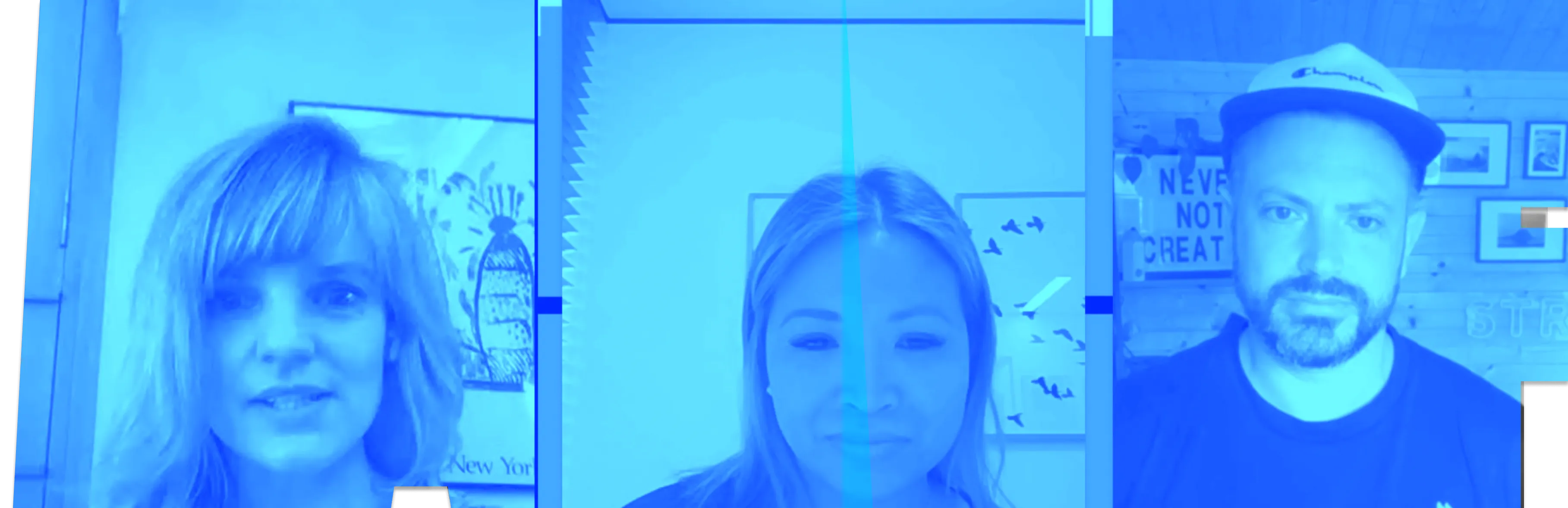
When you're struggling at 2am and AI feels like the easy answer, counsellor Caitlin Thamm has some gentle reality checks. In this honest conversation with Never Not Creative founder Andy Wright, Caitlin explains why algorithms can't replace the irreplaceable human need to be truly seen and understood. While AI can be a helpful tool for things like journal prompts, it lacks the curiosity, empathy, and genuine care that makes therapy transformative. Perfect for creatives wondering whether to pour their hearts out to a chatbot or invest in real human connection.
When AI Feels Like the Easy Answer (But Isn't)
We get it. When you're struggling at 2am and therapy feels expensive or far away, that AI chatbot starts looking pretty tempting. It's always available, never judges, and seems to have all the answers. But before you pour your heart out to a machine, let's have an honest chat about what you're really getting.
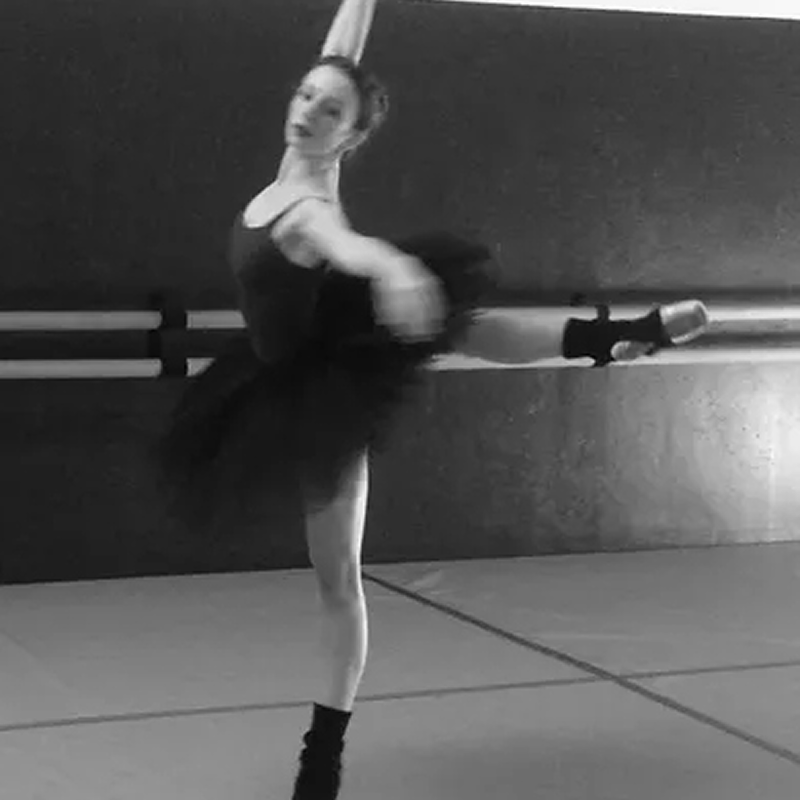
This question was answered by Caitlin Thamm, counsellor and founder of Dance Care Australia, where she supports dancers and creative professionals with their mental health. Andy Wright, founder of Never Not Creative, hosted this conversation as part of the community's commitment to honest discussions about wellbeing in the creative industry.
Why AI Can't Replace Human Connection
Caitlin puts it simply: "We're created for human connection. We're not created to be in isolation." While AI can offer information and even let you chat about your thoughts, it's missing something fundamental. "AI doesn't care, you know. It doesn't know you intimately," she explains.
The pandemic showed us just how detrimental isolation can be to our wellbeing. What we need isn't just information—we need to feel seen and heard by another human being who genuinely understands our world.
The Power of Being Truly Known
A therapist doesn't just dispense advice like a very expensive vending machine. "That's what I aim to do as a counsellor—really understand the person," Caitlin says. "It's a back and forth. It's not just 'tell me this, what should I do here?'"
Real therapy involves someone taking the time to understand your specific context, how you respond to things, and tracking your progress over time. "AI draws from such huge databases, which is really helpful because it'll have a breadth of answers, but it's not specific to the intricacies of who you are."
What AI Actually Misses
Here's what no algorithm can replicate: that moment when you've shared something really difficult and your therapist responds with genuine human empathy. "I'm so sorry that you've been through that... you don't deserve to go through something that difficult. And wow, my goodness, like you've come out the other side of that as well."
That reciprocal acknowledgement of your experience, that human recognition of your strength—that's irreplaceable. "It's really incredible being able to see that across multiple sessions as a therapist," Caitlin reflects.
Where AI Can Actually Help
This doesn't mean AI is completely useless. Caitlin sees it as a helpful tool, particularly for things like journal prompts or refreshing your memory about concepts discussed in therapy. "I talk about a particular thing in session and they're like, 'I can't remember what Caitlin said about the fight-flight response.' That's helpful for us to then go out and cement those things."
The key difference? A human therapist identified what you needed to address in the first place, based on really knowing you.
Finding Your People Through NNC Circles
If traditional therapy feels out of reach right now, consider Never Not Creative's Circles programme. These peer support groups connect creatives with creatives in safe, confidential spaces where you can share stories and experiences with people who truly understand the unique challenges of our industry.
Circles provide that crucial human connection Caitlin talks about—real people who can see you, hear you, and support you through whatever you're facing. Each group meets monthly with trained facilitators and covers practical mental health topics alongside peer support. Learn more about Circles here.
When You Need Professional Support
If you're struggling and AI feels like your only option, please know that professional help is available. Sometimes reading articles or trying self-help isn't enough, and that's completely okay. Trained professionals are there specifically to help you navigate whatever you're going through.
Find crisis support and professional help resources here - these services understand what you're experiencing and can help you get to a better place.
Join the Never Not Human Conversation
Speaking of human connection in our increasingly AI-driven world, Never Not Creative is exploring how technology is really affecting our industry through the Never Not Human initiative. This isn't just another survey asking if robots will steal your job—it's about the real psychological impact of constant technological change on creative professionals.
Whether you're thriving with AI tools or feeling overwhelmed by the pace of change, your experience matters. Take the Never Not Human survey and help us understand how we can better support each other through this technological shift.
AI might be getting smarter, but it will never replace the irreplaceable human need to be truly seen, understood, and cared for. When you're ready to be known by another person—not just processed by an algorithm—that support is out there waiting for you.
our guests
Industry Leader

Tarra van Amerongen
Mental Health Expert
Caitlin Thamm
Host