ASKING FOR A FRIEND
How do you stay positive when making a big mistake?
ASKING FOR A FRIEND - QUESTION
Ever felt that sinking panic when something major breaks mid-project? Caitlin Thamm, counsellor and founder of Dance Care Australia, and Tarra van Amerongen, Head of Design at Atlassian, share practical strategies for staying positive when things go wrong. From giving yourself permission to feel upset to reframing setbacks as setups, discover how to respond to mistakes with self-compassion rather than spiralling into negativity. Because let's face it – we're all making mistakes constantly, and learning to handle them well is what separates the pros from the panickers.
When Things Go Wrong: Staying Positive Through Big Mistakes
We've all been there. That sinking feeling when something major breaks mid-project, when a technical error threatens to derail everything, or when a design mistake feels like the end of the world. The panic sets in, confidence crumbles, and suddenly you're spiralling into a negative mindset that makes everything feel worse.
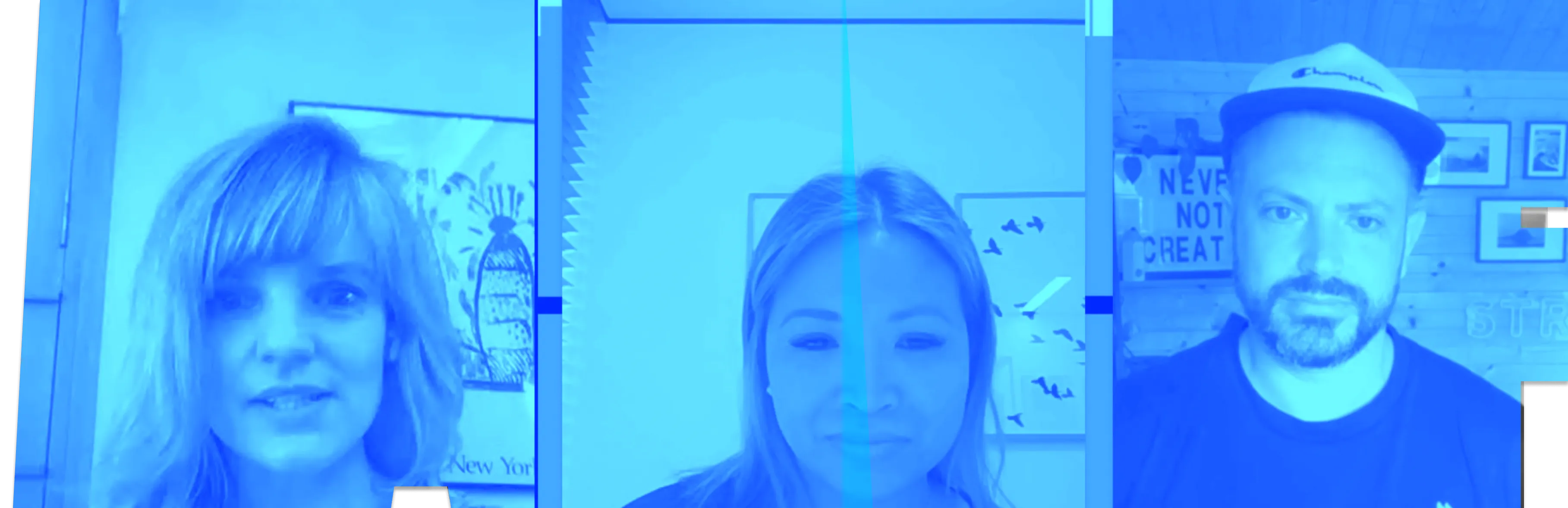
This question was answered by Caitlin Thamm, counsellor and founder of Dance Care Australia, and Tarra van Amerongen, Head of Design at Atlassian. Host Andy Wright facilitated this conversation as part of Never Not Creative's commitment to supporting mental health in the creative industry.
Give Yourself Permission to Feel Upset
"If you're able to find just an opportunity to even remove yourself from your desk or from your workplace, step outside for a moment to acknowledge that," Caitlin suggests. "If you're at home, can you scream into a pillow for a bit?"
The first step isn't to immediately fix everything or pretend you're fine. It's to acknowledge that this sucks. You're allowed to be upset when things go wrong. Find that moment to step away, even briefly, and let yourself feel frustrated or disappointed. This isn't wallowing – it's giving your emotions the space they need so you can move forward more effectively.
Know Your Calm-Down Toolkit Before You Need It
"Understanding for yourself what actually helps you stay calm, what helps you bring your responses down" is crucial, according to Caitlin. "Because obviously when you're in the midst of it, when you're really deep in that's just happened, it's harder to think about what's actually going to be helpful."
Think about what genuinely helps you feel calmer when you're not in crisis mode. Maybe it's going for a walk, making a cup of tea, or calling a friend. Have workplace-appropriate versions ready too. As Caitlin notes, "I like going for a bath, but I can't do that mid-workday while I'm in the office."
Talk to Yourself Like You Would a Friend
"We think we've kind of decided that it's okay to talk negatively to ourselves," Caitlin observes. "But we wouldn't say that to someone that we really care about."
When you catch yourself being harsh or critical, pause and ask: what would I say to my best friend if they were going through this? Then turn that same compassion towards yourself. You're not the only person who makes mistakes – everyone does, probably multiple times today already.
Keep Moving Forward with Your Team
Tarra's approach focuses on maintaining momentum: "We go hard on problems, soft on people. We're not looking for blame, we just go what can we do right now to move ahead."
When working with others, verbalise that you're focusing on solutions, not blame. Set a specific time for reflection later – "at the end of this we'll have a retro" – which helps postpone the worry spiral until you're in a better headspace to learn from what happened.
Reframe Setbacks as Setups
"A good friend of mine she always says to me, it's not a setback it's a setup," Tarra shares. "There's been some really big failures where I just felt like, oh, I'm depressed about this. But my next move was to make sure that that never happened again."
The mistakes that feel devastating often become the experiences that make you stronger and more prepared. You wouldn't have leveled up without going through that difficult situation. As humans, we learn in retrospect, so focus on getting through it with kindness towards yourself.
Learn What You Can Control
After you've given yourself space to feel upset and focused on immediate solutions, it's time to reflect constructively. Ask yourself: what led to this mistake? What was within my control, and what wasn't? What can I do differently next time?
This isn't about beating yourself up – it's about gathering useful information for the future while acknowledging that many factors contributing to problems are completely outside your influence.
Find Support Through NNC Circles
When mistakes feel overwhelming or you're struggling to maintain perspective, connecting with other creatives who understand your challenges can be incredibly helpful. Never Not Creative's Circles programme creates safe, confidential spaces where groups of 8-10 creatives meet monthly to share experiences and support each other through difficult times.
These peer support groups focus on mental health education and practical strategies for navigating the ups and downs of creative work. With a minimum six-month commitment, Circles help build lasting connections with people who truly understand the pressures you face.
When Professional Help Might Be Needed
If you find that mistakes consistently send you into deep spirals, or if the anxiety around making errors is affecting your daily life and work, it might be time to seek professional support. There's no shame in reaching out for help – it's actually a sign of strength and self-awareness.
Mental health professionals can help you develop better coping strategies and address any underlying anxiety or perfectionism that might be making mistakes feel more catastrophic than they need to be.
Find professional help resources
Know Your Rights and Get Support
Sometimes the pressure around mistakes comes from workplace dynamics that aren't healthy or fair. If you're experiencing bullying, harassment, or unfair treatment related to normal work errors, you don't have to handle it alone.
Never Not Creative's Support Line, in partnership with Artis Causa, provides free initial legal consultations for creatives facing workplace issues including bullying, harassment, and unfair treatment.
Remember, mistakes are part of being human, and they're definitely part of creative work. The goal isn't to never make mistakes – it's to develop healthy ways of responding when they happen. Be kind to yourself, focus on solutions rather than blame, and remember that today's disaster often becomes tomorrow's valuable lesson.
our guests
Industry Leader

Tarra van Amerongen
Mental Health Expert

Caitlin Thamm
Host