ASKING FOR A FRIEND
Why should I feel guilty about thinking AI is the future of the creative industry in a good way?
ASKING FOR A FRIEND - QUESTION
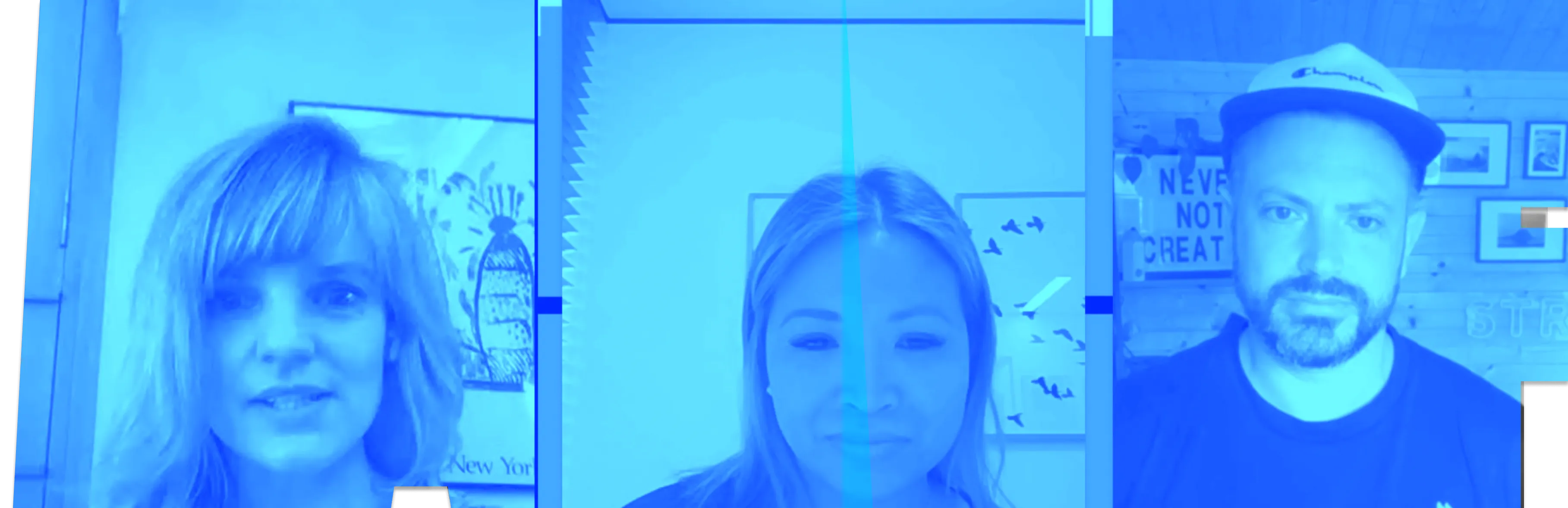
Can you be pro-AI and still love creativity? Of course you can, and in this Asking For A Friend session, Nick Hunter, industry leader and genuine AI early adopter, makes the case with some conviction. He is joined by mental health expert Aimee Davies and host Andy Wright to unpack why the guilt so many creatives feel about embracing AI is, largely, unwarranted. Nick draws on how he has restructured his own business around the difference between intelligence tasks and irreplaceable human soul, and why the spreadsheet panic of the 1980s is a surprisingly useful lens for what is happening right now. Reassuring, practical, and a little bit rallying.
Somewhere between the breathless hype and the existential dread, a lot of creative people are quietly thinking: actually, I think AI might be brilliant for what we do. And then feeling terrible about it.
This question was answered by Nick Hunter, an industry leader who has restructured his own business around AI, and Aimee Davies, a mental health expert who brings a human-centred perspective to the challenges facing the creative industry, with Andy Wright as host of Asking For A Friend on Never Not Creative.
The guilt is understandable, but probably misplaced
Nick is direct about it: there is no good reason to feel guilty. AI is not going anywhere, and treating it as the enemy does not protect anyone. What it does do is leave you behind. He frames enthusiasm for AI not as a betrayal of craft, but as a recognition of where the industry is heading, whether the industry is ready or not.
Intelligence tasks versus the human soul
Nick draws a clear line in how his own business thinks about AI. On one side sit intelligence tasks: the kind of work that can be accelerated, systematised, and handed to agents and platforms. On the other side is what he calls Geist, a German word roughly meaning spirit or soul. That is where the humans with taste live. The people who can connect unexpected dots, make surprising creative leaps, or capture something true about the human condition. Those things, he argues, a machine simply cannot replicate.
Jobs will change, and new ones will appear
Andy raises the most common source of guilt: the sense that embracing AI means endorsing job losses. Nick acknowledges there will be a difficult short-term period. But he pushes back on the idea that disruption equals destruction, pointing to the arrival of the spreadsheet as a useful parallel. Accountants did not disappear when Excel arrived. There were more of them afterwards. The new jobs created by AI have not been invented yet, which makes them hard to see from here, but not unlikely.
The best time to get comfortable with AI is now
Both Nick and Andy agree that the people who will find the next 18 months hardest are those who are holding back. The technology is embedding itself into every part of the industry, and the nuance of knowing where human judgement still wins is something you can only learn by getting close to the tools themselves.
Feeling guilty about seeing the upside of AI is, in the end, a sign that you care about the craft. That care is exactly what makes you useful in a world where the machines handle the rest.
our guests
Industry Leader

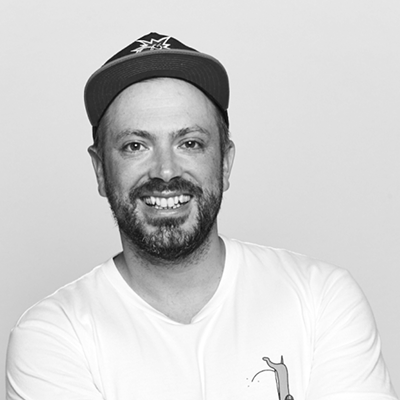
Nick Hunter
Paper Moose
Mental Health Expert
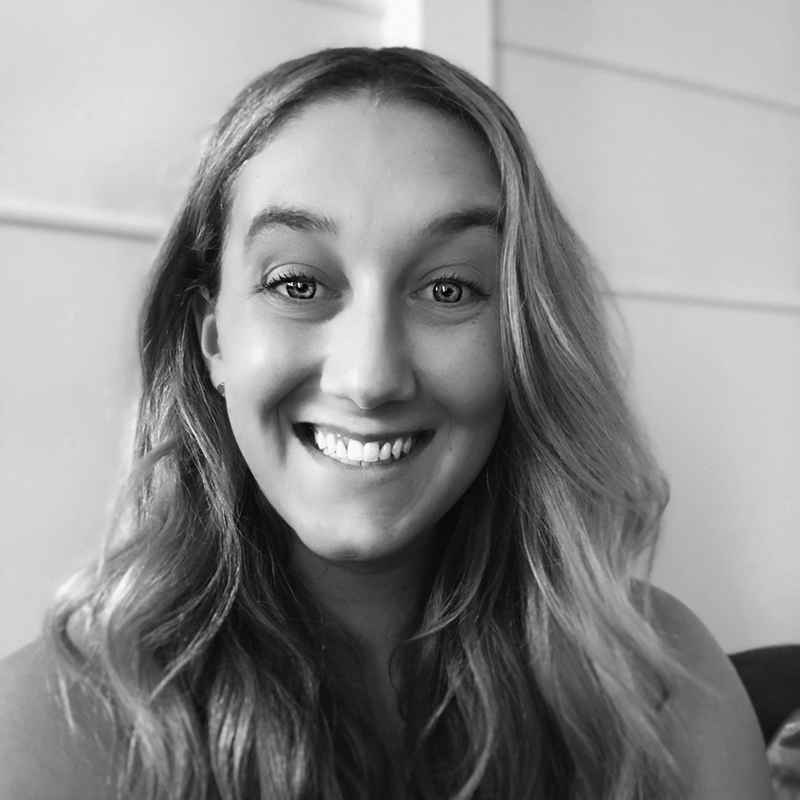
Aimee Davies
The Hey Mate Project
Host