ASKING FOR A FRIEND
What are your top AI tools, and how are you using AI in your creative work?
ASKING FOR A FRIEND - QUESTION
What are your top AI tools, and how are you actually using them in your creative work? It is one of the most searched questions in any industry right now, and in this Asking For A Friend session, host Andy Wright gets two very different but equally honest perspectives. Dan Ingham, an industry leader in arts and marketing, walks through how his team uses AI for early visualisation, proof-of-concept work, and tightening presentations with Claude, all while being upfront internally about where AI starts and human creativity takes over. Tammi Miller, a mental health expert and practising therapist, explains why she keeps AI well away from her clinical work, and raises a genuinely important concern: clients are arriving to sessions with ChatGPT diagnoses, challenging advice built on months of real therapeutic relationship. Two guests, two very grounded takes on the same question.
AI is everywhere in the conversation right now, but what does actually using it at work look like? And where should some of us be more cautious than the hype suggests?
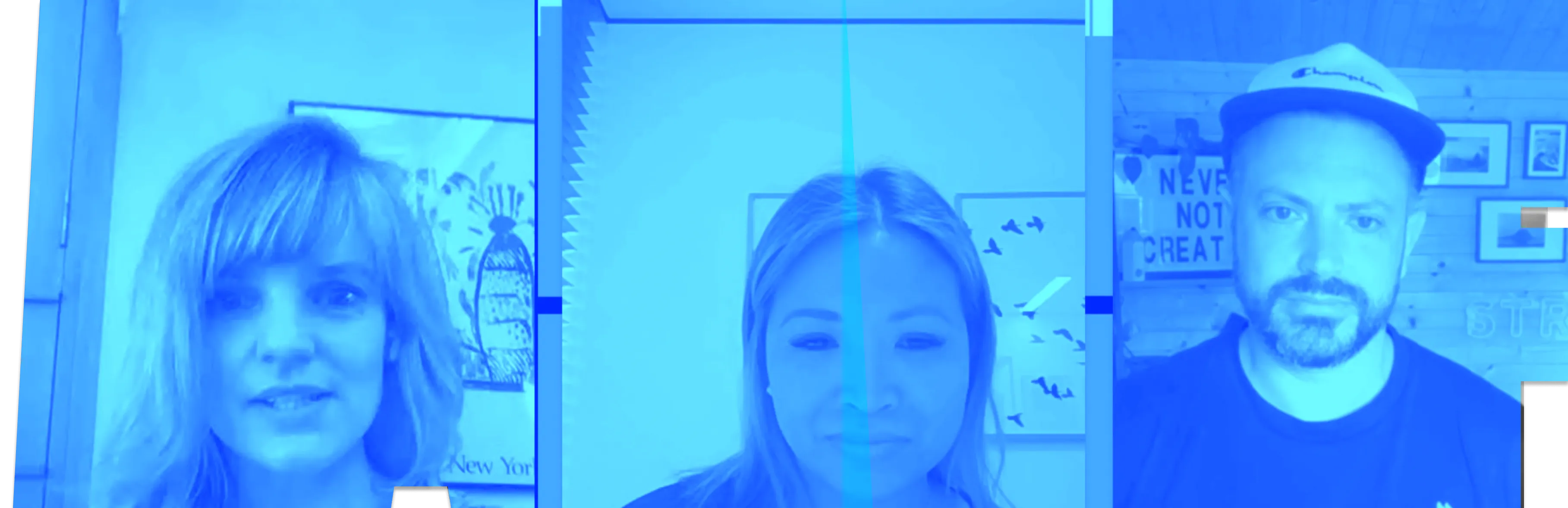
This question was answered by Dan Ingham, an industry leader working in creative and marketing at a major arts institution, and Tammi Miller, a mental health expert and practising therapist, in conversation with Andy Wright, host of Asking For A Friend on Never Not Creative.
Using AI early, and being honest about it
Dan's team sits in an interesting position. Working within an arts organisation means they take the question of creativity and its origins seriously. Rather than leaning on AI across the board, they have found a clear and practical sweet spot: early-stage visualisation. When a shoot or campaign idea needs to be communicated quickly to stakeholders, AI tools allow them to prompt their way to a rough visual concept far faster than scamping and Photoshop ever allowed. The key, Dan notes, is transparency. Everyone internally knows these are placeholders, not final work. From there, the real photographers and videographers take over.
Dan also uses Claude to sharpen presentations and rationale documents, helping make sure the logic holds up and the story is tight before anything goes to approval. Andy added a useful extension of this: some teams now use Claude to stress-test their own work before sending it, essentially asking the AI to respond as a critical stakeholder might. When the feedback you receive is already AI-generated, preparing your work the same way starts to make a lot of sense.
Where AI falls short: the therapy room
Tammi takes a very different stance, and for good reason. Confidentiality rules out AI note-taking entirely in her practice. But the more pressing issue she sees is clients arriving in sessions armed with ChatGPT diagnoses, sometimes using them to challenge professional advice that has been built over months of careful, connected work. What AI cannot replicate, she argues, is the accumulated nuance of a genuine therapeutic relationship. A chatbot only knows what has been typed into it. A therapist knows the full picture.
Tammi is open about the fact that her caution may cost her some efficiency, particularly around content creation. But until AI feels more values-aligned with her practice, she is comfortable moving slowly.
The honest takeaway from this conversation is that AI works best when it supports human judgement, not when it replaces it. Knowing where that line is, for your role and your values, is the real skill to develop right now.
our guests
Industry Leader

Dan Ingham
Sydney Opera House
Mental Health Expert
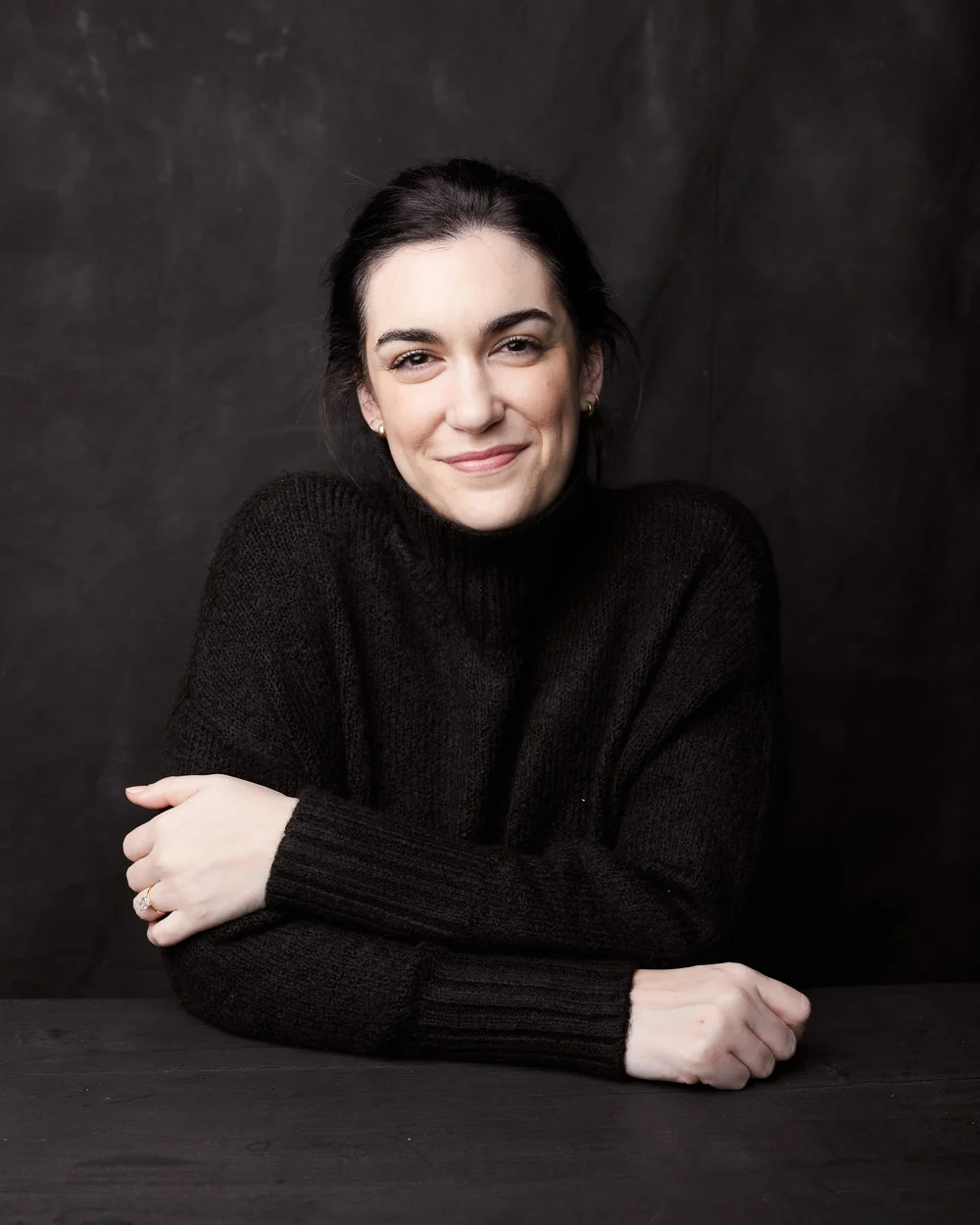
Tammi Miller
BARE Therapy
Host