ASKING FOR A FRIEND
Is AI going to take our jobs as creatives?
ASKING FOR A FRIEND - QUESTION
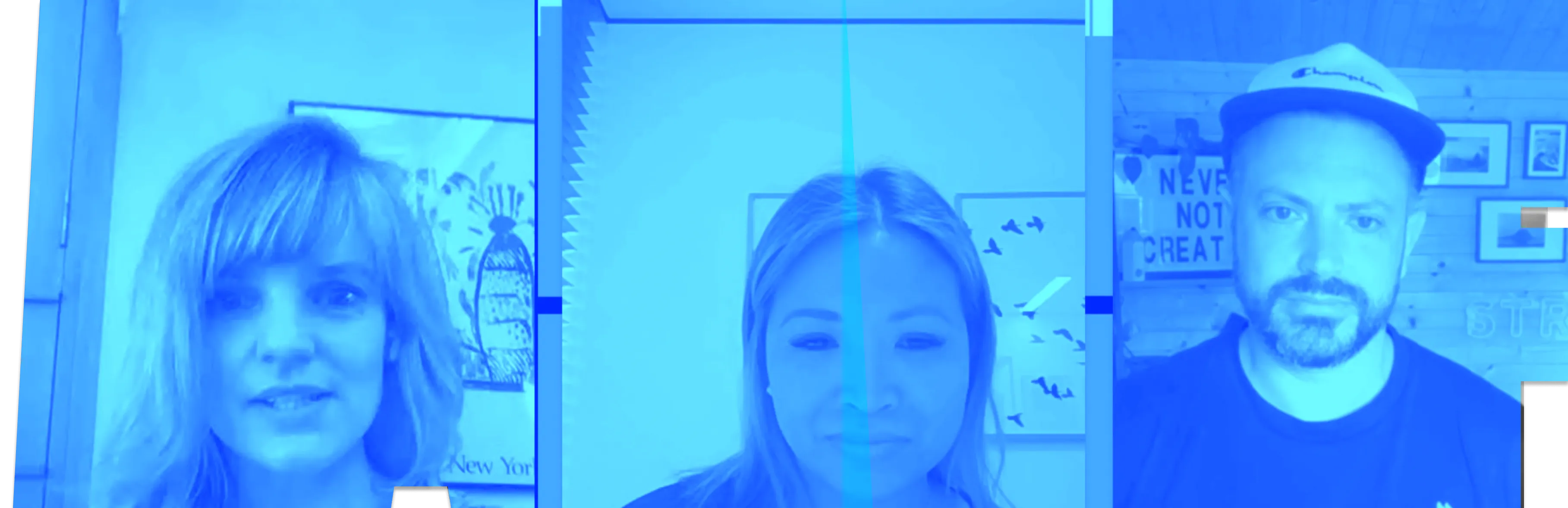
Is AI going to take our jobs as creatives? It is the question every designer, strategist, and studio owner is quietly (or loudly) asking right now. In this episode of Asking For A Friend, award-winning brand and design director Christopher Doyle, with over 20 years of agency experience, gets refreshingly honest: yes, AI is already replacing parts of the industry, and no, there is no quick fix. But he also makes a compelling case for what technology cannot touch: the human energy you bring into a room. Joined by Dr. Aileen Alegado, clinical psychologist and Director of Mindset Consulting, and host Andy, the conversation covers AI as a tool versus a threat, why leaning in beats leaning out, and why winning a pitch on pure human fit might be the most reassuring story you hear all year. Also relevant for searches around: will AI replace designers, AI and creative careers, future of design jobs.
Is AI Going to Take Our Jobs as Creatives?
The question is everywhere right now, whispered in studio kitchens and shouted in design forums. If you work in a creative field, chances are you have felt that low-level hum of anxiety about what artificial intelligence means for your livelihood. You are not alone, and you are not being dramatic.
This question was answered by Chris Doyle, an award-winning brand and design director with over 20 years of experience at some of Australia's leading agencies, whose work has appeared in Creative Review and Grafik Magazine and who has spoken at Semi Permanent, Brand New, and Creative Mornings. The conversation was hosted by Andy, alongside fellow guest Aileen Alegado, registered clinical psychologist and Director of Mindset Consulting, who brings a grounded, human perspective to how we process change and uncertainty.
The honest answer: it is already here
Chris does not sugarcoat it. "I don't think it's useful to sit here and suggest that this isn't something that's happening," he says. AI has already replaced large parts of the creative industry, and the pace is not slowing down. Canva ran a campaign in Europe where an entire brand, name, identity, and guidelines for a small business was produced entirely within the platform. As Chris puts it: "That's literally what hundreds of small design businesses are paid to do."
The old framing, that tools like Canva were only ever for people who would never have hired a designer anyway, is no longer quite enough. The category of work being automated is expanding, and pretending otherwise does not help anyone.
If you are worried, that is actually a good sign
Andy offers a reframe that is worth sitting with: "If you're worried about it, that's good. Go find out more about it." Worry, in this context, is not weakness. It is signal. It means you are paying attention.
What is less useful is what Andy describes as "leaning out, not leaning in." Focusing only on the ethical concerns, the privacy issues, the questionable figures at the top of AI companies (and yes, some of them are genuinely questionable), without actually trying the tools yourself, leaves you reacting rather than responding. You cannot make informed decisions about something you have never touched.
What AI cannot replicate: being a human in a room
Here is where Chris lands, and it is the most reassuring part of the conversation. His studio won a pitch earlier in the year. When they found out they had won, they were also told that none of the work they presented would actually go ahead. In most creative pitches, that is completely normal. The work is really just a vehicle for the client to see how you think, how you communicate, and how you show up.
"We were hired on fit," Chris says. "How they felt about us in the room, our presentation style, evidence that we could do the work. But a very large portion of that was attributed to how we were as people in a room, which has nothing to do with technology. It has to do with empathy. It has to do with understanding. It has to do with how you move through the world."
Until AI can genuinely automate human energy, the act of being present in a conversation, the instinct to understand what someone actually needs, that remains yours.
AI as a tool, not a replacement
Aileen brings a helpful reframe: AI is disrupting every industry, not just creative ones. Accountants, finance professionals, customer service roles, all are navigating the same shift. What remains, across all of them, is the human capacity for connection.
The panel lands on a shared position: treat AI like a tool, and it is a tool. Andy's team at Streamtime have committed to building AI features that help people make better decisions, not to replace the people making them. As Andy puts it: "If you suddenly become subservient to the tool, then we've hit Skynet realms, and nobody wants that."
Chris adds a useful analogy from a panel he attended in London: one speaker described AI as "a really good kid, a smart kid, but it's going to make mistakes." Another compared it to a really good internet. Powerful, yes. In charge? Not yet.
The craft still matters (for now)
Chris is candid that he has yet to see anything produced purely through AI processes that feels "as authentic or as crafted or as interesting as work made by a human being." He is also honest that this changes every few weeks, sometimes every few days. He jokes that he might be eating his words within 12 hours of saying it.
But the underlying point holds: the quality gap still exists, and the studios and practitioners who understand both the tools and the human dimension of creative work are the ones best placed to navigate what comes next.
Conclusion
Is AI going to take creative jobs? Some of them, yes, and some already have gone. But the version of your work that is most distinctly, irreducibly you, the way you listen, the way you think in a room, the empathy you bring to a brief, that is not something a prompt can replicate. The most useful thing you can do right now is stay curious, lean in rather than doom-scroll, and keep investing in the parts of your practice that are genuinely human. You have got more to offer than a text box.
our guests
Industry Leader
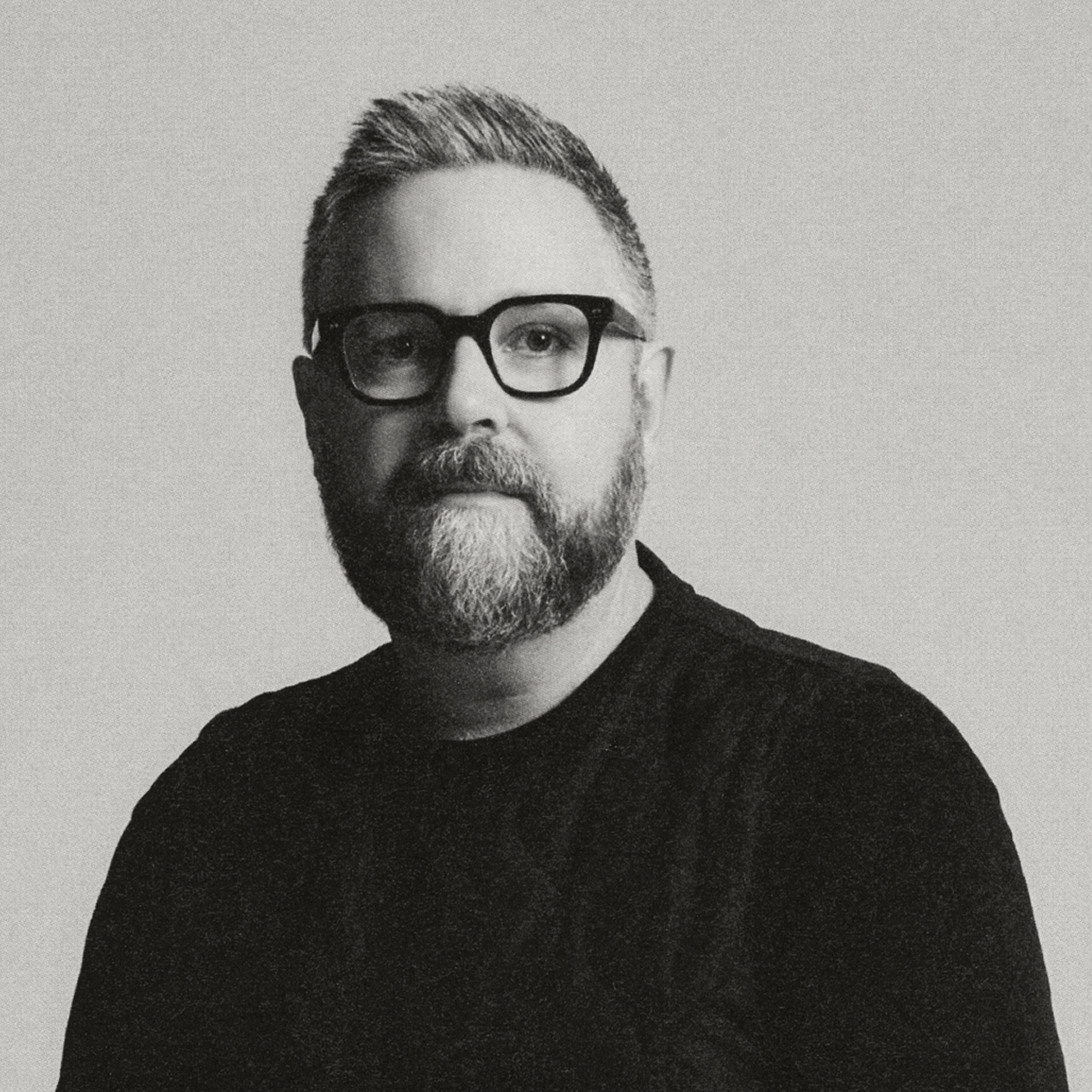
Chris Doyle
Christopher Doyle & Co.
Mental Health Expert

Dr Aileen Alegado
Mindset Consulting
Host