
ASKING FOR A FRIEND
I feel like I'm always battling imposter syndrome. How can I learn to believe in myself?
ASKING FOR A FRIEND - QUESTION
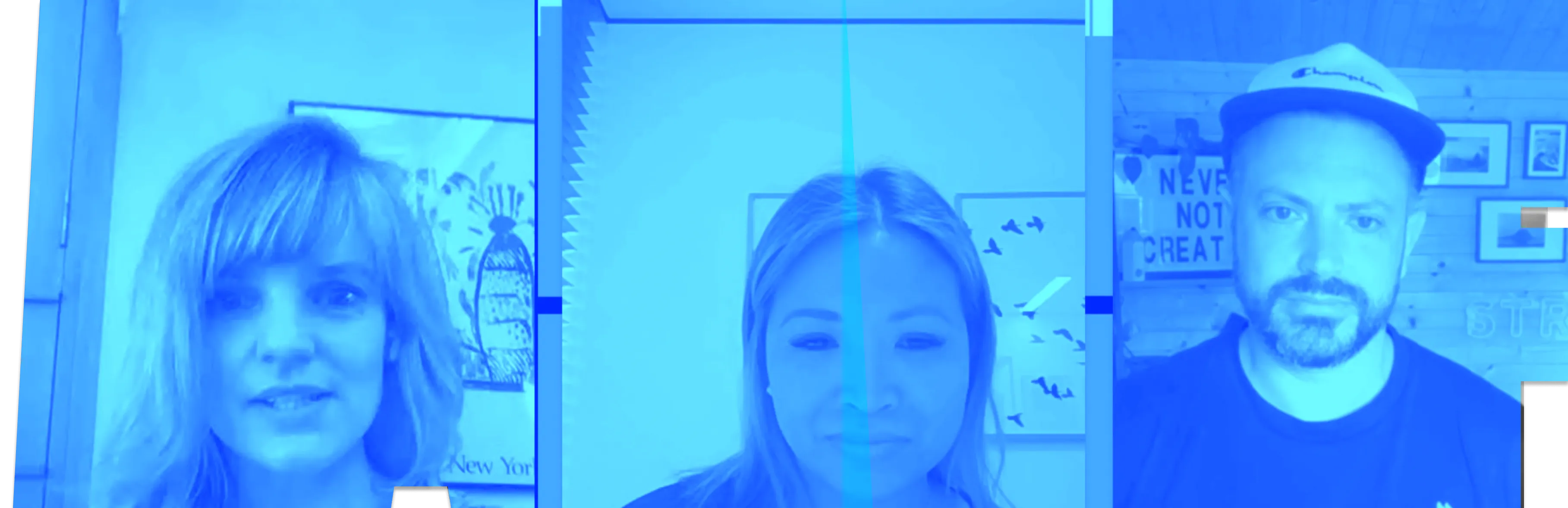
Imposter syndrome is one of those things almost everyone experiences and almost nobody admits to. In this Asking For A Friend session, host Andy Wright puts the question to two people who really know their stuff. Tammi Miller, Mental Health Expert, shares why facts will always outrank feelings, makes a compelling case for keeping a dedicated feedback folder, and explains why therapy is the right space to unpick why that one bad comment always seems to hit harder than ten good ones. Dan Ingham, Industry Leader, adds something the creative world genuinely needs to hear: stop sprinting past the finish line. Closing out projects properly, celebrating what went well, and treating each brief as a chance to learn one new thing are simple shifts that quietly build the kind of confidence imposter syndrome cannot easily touch.
Imposter syndrome has a cruel trick: it ignores all the evidence that you are doing well and latches onto anything that confirms your worst fears. So what do you actually do about it?
This question was answered by Tammi Miller, Mental Health Expert, who brings a therapeutic lens to the deeper roots of self-doubt; Dan Ingham, Industry Leader, who speaks from years of experience inside fast-moving creative environments; and Andy Wright, host of Asking For A Friend on Never Not Creative, who shaped the conversation with honest reflections from the creative world.
Facts beat feelings
Tammi's first move is to ground yourself in what is objectively true. If the work is landing well, if clients keep coming back, if you still have the role, those are facts. The feeling of not being good enough is not a fact. Separating the two is a small but powerful shift in how you evaluate yourself.
Build a feedback folder
One of the most immediately useful ideas in this session is Tammi's recommendation to keep a dedicated folder, in your inbox or on your desktop, where you save every positive message, compliment, or piece of encouraging feedback you receive. On the days when self-doubt creeps in, open it. It sounds simple because it is, and that is exactly why it works.
Dig into where it comes from
Tammi also points out that if you are consistently hooking onto one negative comment despite mountains of positive reinforcement, that pattern is worth exploring in therapy. Sometimes a critical remark stings so sharply because it touches something you already privately doubted about the work. Understanding that distinction matters.
Close the loop on your projects
Dan's contribution is equally grounded: we are far too quick to move on to the next brief without marking the end of the last one. Taking time to do a proper wash-up, celebrating what went well, and identifying what you learned gives each project a meaningful conclusion rather than letting it dissolve into the blur of what comes next.
See every project as a learning win
Dan also reframes how you measure success. Rather than judging a project solely on its final reception, ask yourself what specific skill or process you set out to develop. If you grew in that area, the project delivered, regardless of what one comment on a website might suggest.
Imposter syndrome rarely disappears overnight, but with the right habits and a little honest reflection, it becomes far less loud.
our guests
Industry Leader

Dan Ingham
Sydney Opera House
Mental Health Expert

Tammi Miller
BARE Therapy
Host