
ASKING FOR A FRIEND
How well prepared were you for starting your own business, and what do you wish you knew?
ASKING FOR A FRIEND - QUESTION
Nobody hands you a manual when you start your own business, and that's exactly what this Asking For A Friend session gets into. Host Andy Wright puts the question to Chris Doyle, an industry leader who openly admits he could not have been less prepared when he started out, and Caitlin Thamm, a mental health expert and counsellor who built her own solo practice and learned the hard way that you can't do every job at once. Between them, they cover the shock of business development, the quiet power of leaning on your network, why a solicitor's raised eyebrow can be your best teacher, the relief of saying no, and the freedom that comes from letting go of work that was never really yours to do.
Starting your own business sounds exciting right up until Monday morning, when nobody is telling you what to do and the work doesn't just show up on its own. It turns out, most people learn the hard way.
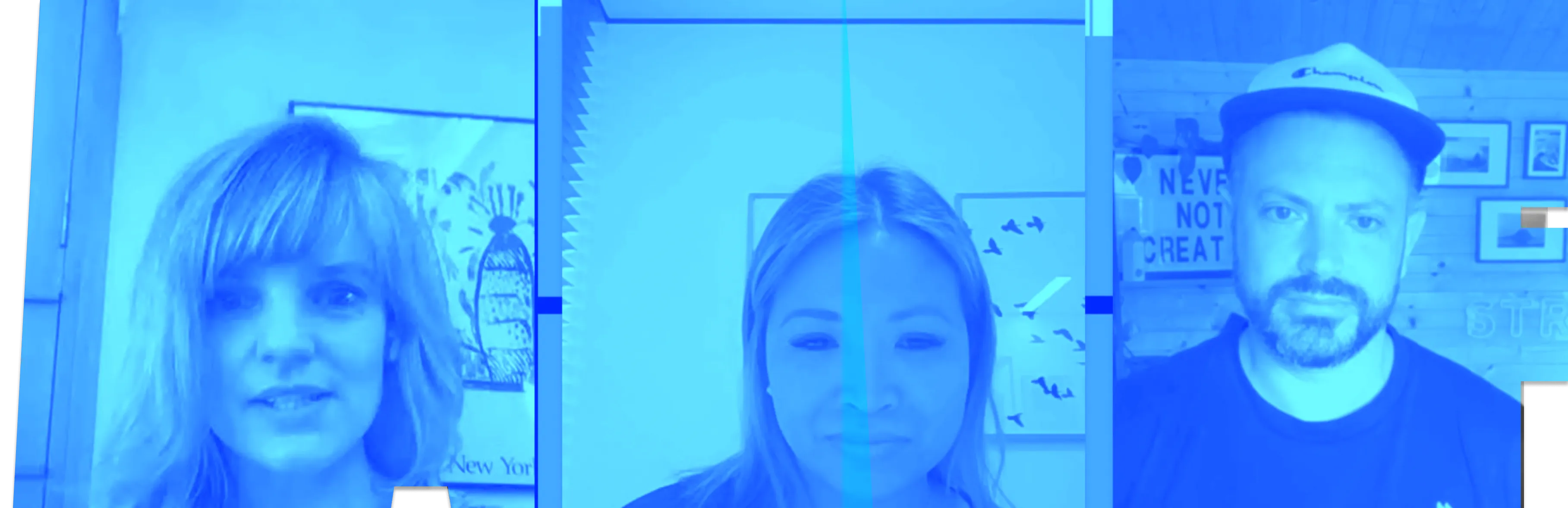
This question was answered by Chris Doyle, an industry leader and experienced creative business owner whose candid reflections on over a decade of running his own studio make him an invaluable voice on this topic, and Caitlin Thamm, a mental health expert and practising counsellor who built her own solo practice from the ground up, bringing a refreshingly honest perspective on the emotional and practical realities of going it alone. The conversation was hosted by Andy Wright, host of Asking For A Friend on Never Not Creative.
Business development is a much bigger part of the job than you expect
Chris was emphatic: he could not have been less prepared. One of the biggest surprises was just how much of running a creative business is actually about finding the work in the first place. Coming from a role where projects appeared on his desk each Monday, the reality of having to generate business constantly was something he was wholly naive to, even if he knew it existed in theory.
Lean on your network and ask for help early
One of Chris's most practical lessons was learning to ask people for help sooner rather than later. From contracts to terms and conditions to how to approach clients, none of that knowledge comes automatically. He recalled sending a cobbled-together master services agreement to a solicitor after years of use, only to be asked, with some alarm, whether people had actually been signing it. They had. Dozens of them. The takeaway: find generous people in your network and let them share what they know.
You are allowed to say no
Chris described the realisation that you can say no to projects, clients, and deadlines as genuinely powerful. It isn't always easy, and there is always plenty to weigh up, but recognising the red flags and acting on them is one of the most useful skills a business owner can develop.
Let go of what isn't yours to do
Caitlin's experience as a solo counsellor mirrored much of this. The moment that shifted things for her was realising that trying to do everything, particularly marketing herself, was pulling her away from the work she had actually trained for. Once she let go of the tasks that belonged to other specialists, she found she could focus properly, enjoy her work again, and attract clients who felt more authentic to her practice.
The common thread across both stories is simple: the sooner you stop trying to do it all alone and start being honest about what you don't know, the better your business, and your wellbeing, will be for it.
our guests
Industry Leader

Chris Doyle
Christopher Doyle & Co.
Mental Health Expert

Caitlin Thamm
Host