ASKING FOR A FRIEND
How should i frame my decision to close my business and not be seen as a failure?
ASKING FOR A FRIEND - QUESTION
Thinking about closing your business and joining a studio? Tarra van Amerongen (Head of Design, Atlassian) and Caitlin Thamm (counsellor, Dance Care Australia) tackle the tricky question of how to frame this career pivot without looking like you've failed. Spoiler: you haven't failed, you've just gained a unique skill set that studios actually want. Learn how to rewrite your narrative from "burnt-out founder" to "experienced collaborator ready to add value." Because sometimes the bravest thing isn't starting a business – it's knowing when to choose a different path.
From Founder to Employee: Reframing Your Career Pivot
Starting your own business takes guts. Running it for four years? That's no small feat. But sometimes the entrepreneurial path leads you to realise you want something different, and that's perfectly okay.
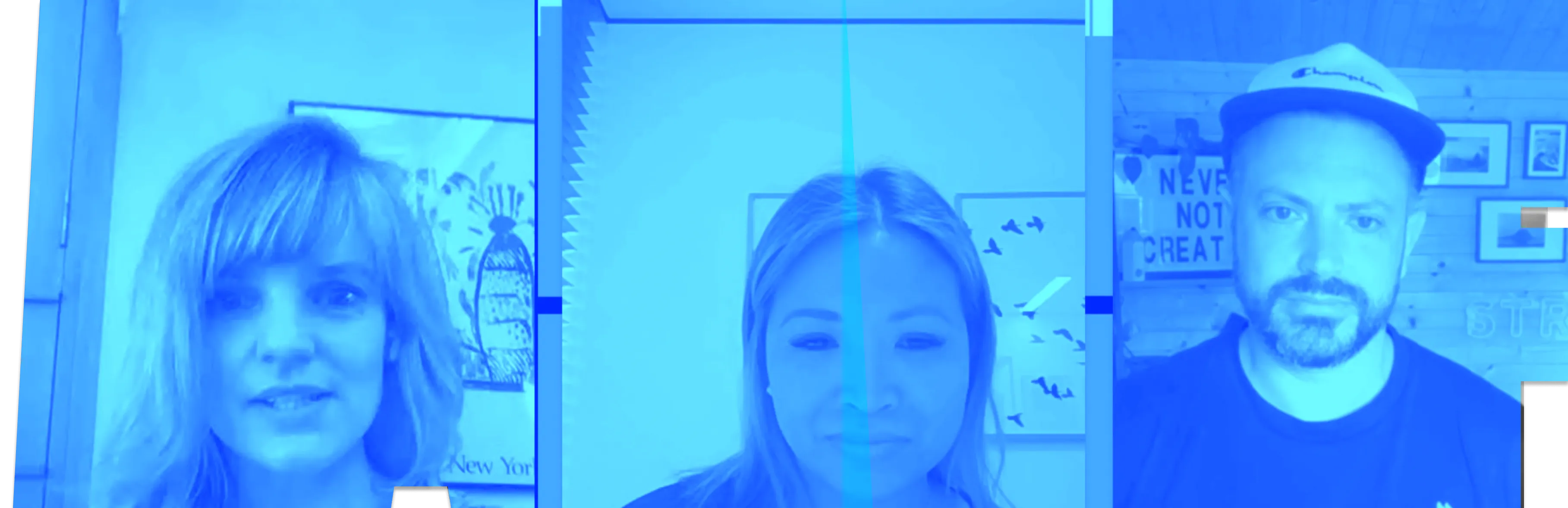
This question was answered by Tarra van Amerongen, Head of Design at Atlassian and innovation design lecturer at UTS, alongside mental health counsellor Caitlin Thamm from Dance Care Australia. Andy Wright from Never Not Creative hosted the discussion.
You're not a failure, you're experienced
The first thing to get straight: closing your business doesn't make you a failure. As Tarra puts it: "You're not a failure. You've probably learned a lot and been a lot braver than a lot of people would have been and you probably learned a lot of things the hard way and built up a huge amount of skills and resilience."
Think about what you've actually accomplished. You've signed leases, managed payroll, handled client relationships, and kept a business running for four years. That's not failure – that's a masterclass in real-world business experience.
Focus on what you bring, not what you're leaving
When approaching studios, flip the narrative from "I'm burnt out" to "I'm excited about collaboration". Tarra suggests framing it around what you want to contribute: "I want to collaborate with more people. I want to work at scale. I want to specialise or focus on my craft instead of having to be signing the lease and the payroll."
Your differentiators are clear: you have grit, high accountability, you take risks, and you can make something from nothing. These aren't consolation prizes – they're exactly what studios value.
The power of reframing your story
Caitlin emphasises the importance of controlling your narrative: "There's a challenge here of like, well, if I think this is because I've been a failure, then that's how do I control that narrative and go how do I frame it in a way of which story am I going to feed."
You get to choose whether this is a story about giving up or taking control of your destiny. Recognising burnout and making a strategic career move shows self-awareness, not weakness.
What studios gain from hiring you
Remember, this isn't charity. You bring unique value that people who've only worked in studios might lack. You understand the full business picture, you've dealt with difficult clients, and you know what it takes to deliver under pressure. As Tarra notes, there's "that whole element of like 1 plus 1 equals three" when experienced people collaborate.
Moving from founder to employee isn't stepping backwards – it's choosing a different path forward. You've proven you can build something from scratch. Now you're ready to help build something bigger, with better support and clearer boundaries around your role.
our guests
Industry Leader
Tarra van Amerongen
Mental Health Expert
Caitlin Thamm
Host