ASKING FOR A FRIEND
How should a beginner prioritize learning and build skills without feeling overwhelmed?
ASKING FOR A FRIEND - QUESTION
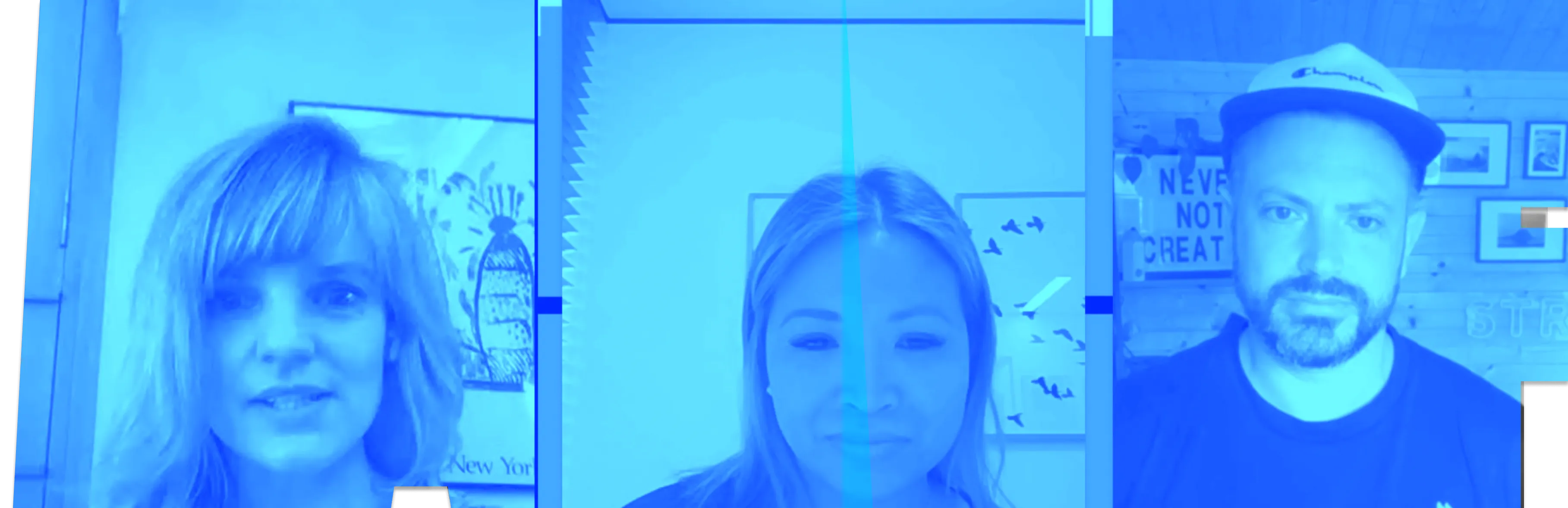
Feeling like you need to know everything before you have even landed your first design job? You are absolutely not alone, and in this Asking For A Friend session, host Andy Wright puts that very question to two people who genuinely know how to answer it. Quan Payne, an industry leader and design studio head, breaks down why foundational principles beat frantic skill-stacking, what a healthy junior hiring relationship actually looks like, and how to spot the workplaces worth your time. Sharon Draper, a mental health expert, adds the perspective that often gets skipped in career conversations: that sustainable habits and a bit of personal balance are not luxuries, they are essential gear for the long road ahead. Practical, warm, and reassuringly honest.
The question of how to learn without drowning in everything you do not yet know is one of the most common anxieties at the start of a creative career. It turns out the answer has less to do with cramming in knowledge and more to do with how you approach learning itself.
This question was answered by Quan Payne, an industry leader and design studio head with hands-on experience mentoring junior creatives, and Sharon Draper, a mental health expert who focuses on sustainable working habits in the creative sector, with Andy Wright, host of Asking For A Friend on Never Not Creative, guiding the conversation.
Focus on Foundations First
Quan is clear that no good design agency expects a junior to walk in knowing everything. His studio's philosophy follows a simple rhythm: learn the core principles of design, then explore and expand from there. Rather than worrying about everything that lies ahead, he encourages beginners to ask what they can do today, and trust that everything else will come in time. Acting like a sponge, staying curious, and making mistakes without shame are the real skills worth developing early on.
Find a Workplace That Invests in You
One of Quan's sharpest points is that the hiring relationship is genuinely a two-way contract. A good creative leader is not looking for a finished product in a junior designer; they are looking for potential, spark, and the energy to grow. If a job listing reads like a wish list of impossible expectations, that tells you something important about the culture you would be walking into. Seek out studios that see juniors as people worth investing in, not problems to be managed.
Sustainable Learning Keeps You in the Game
Sharon brings the longer view. Building skills is only useful if you can sustain the momentum over time, and that means protecting space for play, rest, and personal balance from the very beginning of your career. Burnout does not only happen to people who have been working for decades; it can set in early if healthy habits are never established in the first place.
The overall message from both guests is refreshingly honest: you do not need to know everything, and the pressure to appear fully formed before you have even started is a red flag, not a standard to meet. Start with what you have, find people who will help you grow, and give yourself permission to learn as you go.
our guests
Industry Leader
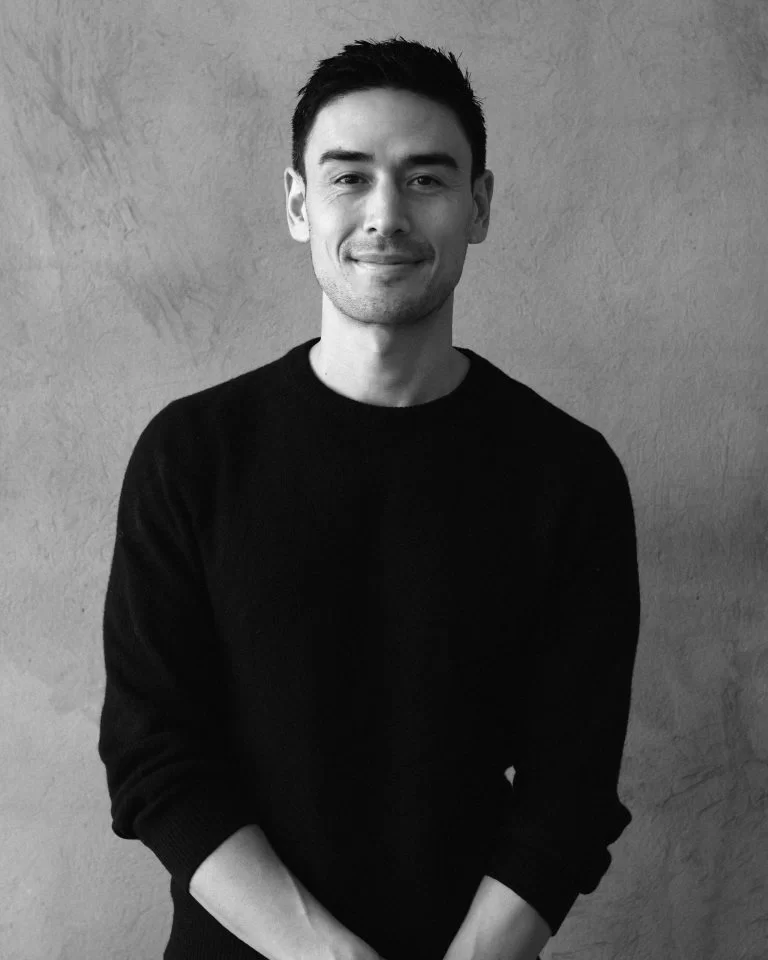
Quan payne
Studio Payne
Mental Health Expert

Sharon Draper
The Conscious Project
Host