
ASKING FOR A FRIEND
How do I raise my hourly rate as a freelancer without losing clients?
ASKING FOR A FRIEND - QUESTION
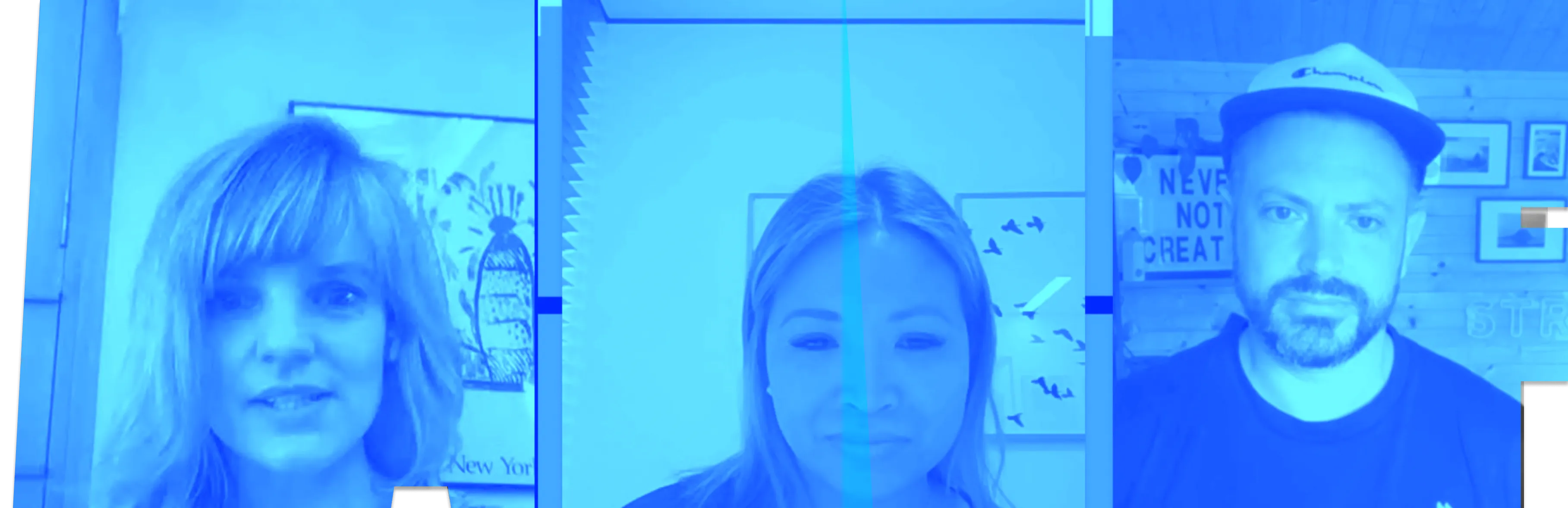
If you have been quietly avoiding raising your freelance rate because you are terrified your clients will vanish overnight, this Asking For A Friend session is for you. Andy Wright is joined by Wez Hawes, industry leader and veteran of the freelance hustle, and Emma Keen, mental health expert, to tackle one of the most emotionally loaded questions in the creative world. Wez shares his so-called freelancer dark arts, including how to negotiate your working conditions when the money is not quite right, the case for working across multiple clients at once, and why staying open beats holding out. Emma adds the piece most people skip: asking to be valued is genuinely vulnerable, and that is okay. Between the two of them, there is both the practical playbook and the emotional permission slip you probably needed.
Raising your rates as a freelancer is one of those things everyone knows they should do and almost no one feels ready to actually do. The fear of losing clients can keep you stuck, undercharging, and quietly resentful.
This question was answered by Wez Hawes, an industry leader with direct experience navigating the uncomfortable gap between knowing your worth and getting paid it; Emma Keen, a mental health expert who brings a human and emotionally intelligent lens to everyday career decisions; and Andy Wright, host of Asking For A Friend on Never Not Creative, who connected the conversation to the broader importance of staying in control of your own career.
The freelancer dark arts: negotiating beyond the number
Wez was refreshingly honest. Rather than quoting the idealistic line about never dropping your rate, he acknowledged the reality: sometimes the choice is between lower-paid work and no work at all. His approach is to negotiate the conditions rather than simply accept a reduced fee. If a client won't meet your rate, you can adjust how you show up, working remotely, managing your time across projects, and backing yourself to deliver quality without giving everything away. It is not a compromise on your standards; it is a pragmatic recalibration of the terms.
Double-dipping is not a dirty word
One of Wez's more practical points was the legitimacy of taking on multiple clients simultaneously. As a freelancer, you are not obligated to give exclusivity unless you have agreed to it. If one project is not hitting your rate, supplementing it with another is not a workaround; it is smart business. Wez also pointed out that under-valued projects can become well-valued ones over time, so staying open rather than waiting for perfect conditions often pays off.
The vulnerability of asking to be valued
Emma reframed the whole issue in a way that is easy to overlook. Asking someone to pay you more is not just a financial conversation; it is an emotional one. You are essentially saying, this is what I think I am worth, do you agree? That is an inherently vulnerable position, and recognising that vulnerability is part of what makes it so difficult to do.
Andy brought it back to control. The moment you let a client define your value for you, you have handed over something important. Staying in the driver's seat, even imperfectly, is always better than waiting for someone else to decide your worth for you.
our guests
Industry Leader

Wez Hawes
OUTSIDE IN
Mental Health Expert

Emma Keen
Host