
ASKING FOR A FRIEND
How do I open up about not doing well without ruining the positive vibe in a small studio?
ASKING FOR A FRIEND - QUESTION
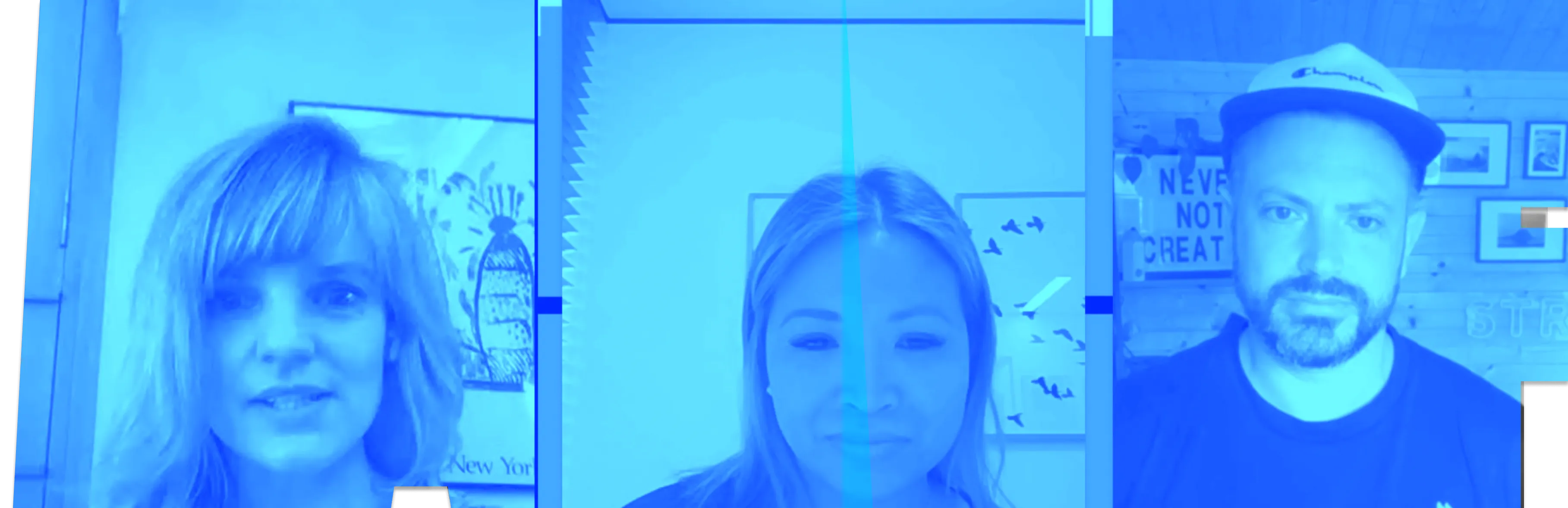
If you've ever sat in a lovely team meeting feeling secretly terrible and said absolutely nothing because you didn't want to ruin everyone's day, this one's for you. In this Asking For A Friend session, host Andy Wright is joined by Sharon Draper, psychologist and expert in all things emotional disclosure, and Quan Payne, industry leader and small studio owner who knows exactly how much one person's mood can ripple through a four-person team. Together they unpack why protecting the vibe often makes things worse, how to figure out what you actually want from sharing before you do it, and why coaching your teammates on how to support you is not only allowed but genuinely helpful. Warm, practical, and reassuringly honest.
Working in a tight, warm team can be one of the great joys of creative life. But it can also make it genuinely harder to admit when you're not doing well.
This question was answered by Sharon Draper, a psychologist whose expertise in emotional disclosure and relational support made her perfectly placed to unpack the fear behind this question, and by Quan Payne, an industry leader and small studio owner who knows exactly how much weight one person's energy can carry in a small team. Andy Wright hosted the conversation as part of this Asking For A Friend session.
Before You Share, Ask Yourself What You Actually Want
Sharon's first instinct was to slow things down. Rather than jumping straight to disclosure, she encourages reflecting on what you're hoping to get from sharing in the first place. Are you looking for someone to just listen? To check in on you occasionally? To take action? Knowing what you want before you open up means you can actually ask for it, which takes a huge amount of pressure off the people around you who genuinely want to help but may not know how.
You Don't Have To Disclose Everything
Sometimes the fear of opening up comes from imagining it has to be a big, heavy conversation. Sharon is clear that it doesn't. You can share something small, name that you've been carrying something, and still feel less alone. Even saying something like "I don't want to kill the vibe, but I've been struggling a little" is enough to start with. Transparency about your hesitation, she suggests, is often the most disarming thing you can offer.
Coach People On How To Respond
One of the most practical ideas in this conversation is the notion of coaching your teammates before or during disclosure. Sharon describes doing exactly this with her own sister: telling her specifically what she needs, whether that's just to be heard, or regular check-ins, or simply company. Most people don't know what to do when someone shares something difficult, and that's not a failing. It's just human. Giving people a clear steer means they can actually show up for you.
Connection Is The Antidote To Isolation
Both Sharon and Quan agree on this: when we hold things in to protect the people around us, we tend to pull further away from them. Masking takes energy. Isolation compounds the original feeling. And a team culture that feels good is, as Sharon puts it, precisely the kind of environment where sharing becomes possible. The vibe you're trying to protect is likely more resilient than you think.
our guests
Industry Leader

Quan payne
Studio Payne
Mental Health Expert

Sharon Draper
The Conscious Project
Host