
ASKING FOR A FRIEND
How do I keep motivation after being rejected
ASKING FOR A FRIEND - QUESTION
Rejection hurts, but it doesn't have to derail your motivation permanently. In this supportive guide, registered psychotherapist Katie Feder and industry leader Mike Tsapazi share their expert insights on how to bounce back from rejection in healthy, sustainable ways. Katie brings her expertise in emotional wellbeing and Process Orientated Psychology, whilst Mike offers practical wisdom from over 25 years leading creative teams. Together, they reveal why rushing past disappointment backfires and how to rebuild genuine motivation from a place of self-compassion and understanding. Perfect for anyone wondering how to keep motivation after being rejected.
Bouncing Back: Finding Your Fire After Rejection
Rejection stings. Whether it's a job application, a creative pitch, or a personal opportunity, that "no" can knock the wind right out of you. The good news? You're not alone in feeling this way, and there are healthy ways to rebuild your motivation.
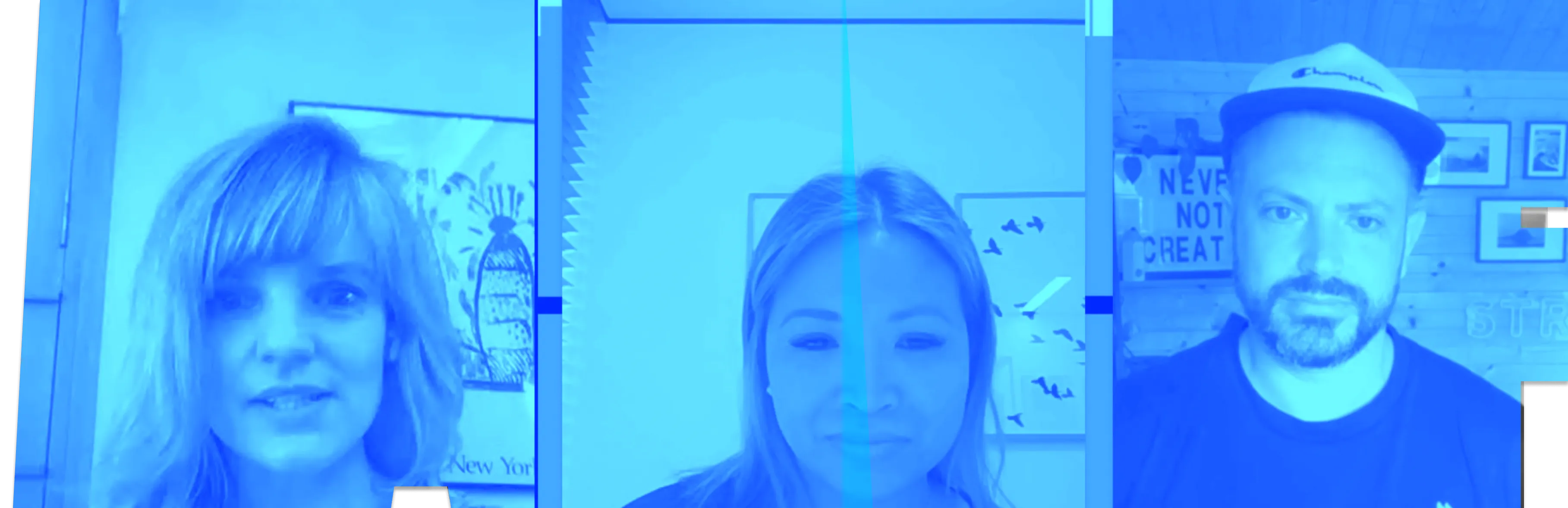
This question was answered by Katie Feder – Registered Psychotherapist – who specialises in emotional health and wellbeing, alongside Mike Tsapazi – Managing Director at The Edison Agency – who brings over 25 years of leadership experience. Andy Wright, founder of Never Not Creative, hosted the discussion.
Allow Yourself to Feel the Rejection
Katie emphasises the importance of not rushing straight to motivation: "I think you need to make space for processing and reconciling both" the disappointment and the drive to move forward. Rather than jumping immediately into positive thinking, she suggests spending time "understanding the part of you that feels rejected and holding that part with compassion."
The tendency is to want to bypass the uncomfortable emotions, but Katie warns this approach is "incomplete." She recommends journaling as a powerful tool: "Let the rejection speak. I feel this, I felt this, I heard this, I collapsed when I experienced this, I'm disappointed this, fully let it express."
Learn from the Experience
Mike shares his practical approach: "Try and understand why it happened if possible. Sometimes there isn't a logical answer that you can come up with. Sometimes it's purely sitting on the other person or the organisation or whatever."
He advocates for balanced self-reflection: "Don't beat yourself up over it because for me it wasn't completely me. But yes, I participated. So what did I do to contribute to that rejection and what can I do better next time?"
Rebuild from a Place of Understanding
Once you've processed the rejection, Katie suggests writing back "from the part of you that you what does it want to hear what does it want to know what support does it need in order to feel motivated to move forward because that's the completeness of being human."
This two-step process ensures your motivation is built on solid ground rather than shaky foundations that might crumble at the next setback.
Connect with Others Through NNC Circles
Rejection can feel isolating, but you don't have to face it alone. Never Not Creative's Circles programme creates safe, confidential spaces where creatives support each other through challenges just like this. These peer support groups meet monthly and provide a non-competitive environment to share experiences, gain perspective, and rebuild confidence with others who truly understand the creative journey.
When to Seek Professional Support
If rejection is significantly impacting your mental health or you're struggling to move forward despite trying these strategies, professional support can make a real difference. Remember, seeking help is a sign of strength, not weakness. For resources and support options, visit the Where to Get Help section on the Never Not Creative website.
Rejection is never easy, but it doesn't define your worth or your future potential. By allowing yourself to feel, learn, and rebuild thoughtfully, you're setting yourself up for more resilient motivation that can weather whatever comes next. You've got this.
our guests
Industry Leader

Michael Tsapazi
The Edison Agency
Mental Health Expert

Katie Feder
Host