ASKING FOR A FRIEND
How do I deal with a micromanaging boss when I can't quit?
ASKING FOR A FRIEND - QUESTION
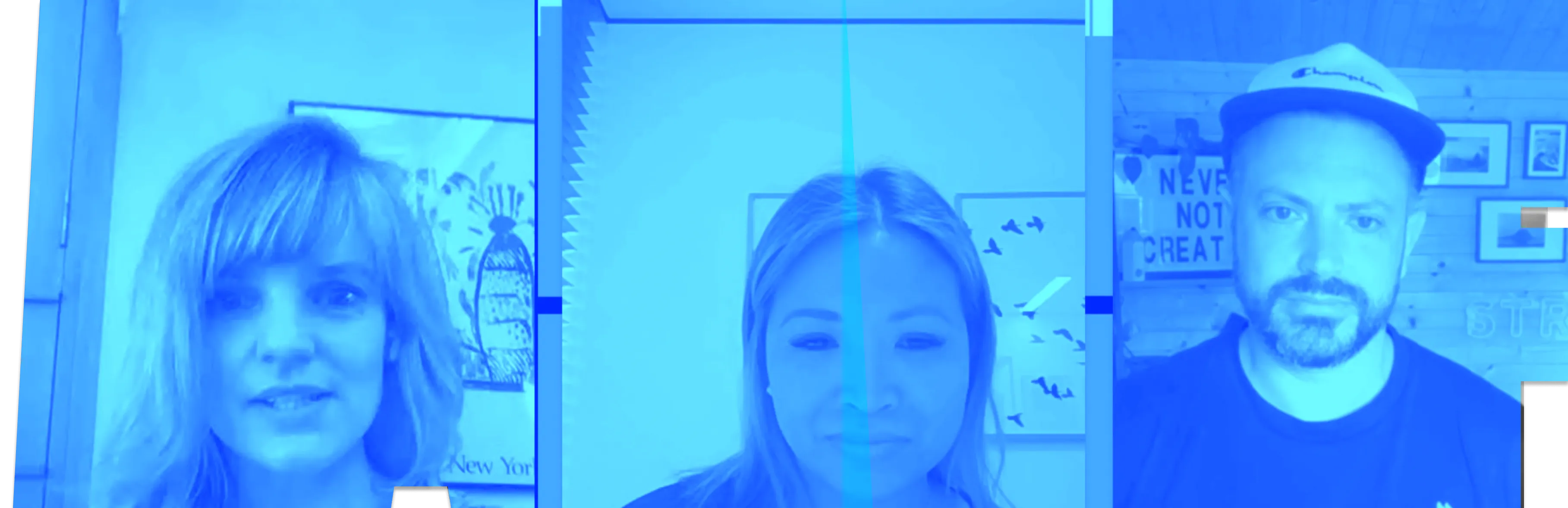
Ever wanted to ask a psychologist how to survive a micromanaging boss without completely losing the plot? In this episode of Never Not Creative's "Asking For A Friend", Dr. Aileen Alegado, Clinical Psychologist and Director of Mindset Consulting, joins host Chris Doyle, award-winning creative director, to tackle exactly that. Aileen brings 15-plus years of experience working with corporate professionals and high performers, and her advice is warm, practical, and genuinely reassuring. From reframing what you can control, to rethinking work as identity, this one's for anyone asking: "how do I deal with a micromanaging boss when I can't quit?" Also useful if you've searched: surviving a micromanager, coping with micromanagement at work, or managing a controlling boss.
When Your Boss Won't Let Go: Surviving a Micromanager Without Losing Your Mind
Feeling trapped under the thumb of a micromanaging boss is genuinely exhausting, especially when leaving isn't an option right now. The good news: there are real, practical ways to protect your confidence and your sanity while you ride it out.
This question was answered by Dr. Aileen Alegado, Clinical Psychologist and Director of Mindset Consulting, whose 15-plus years working with corporate professionals and high performers makes her exactly the right person to unpack this. The conversation was hosted by Chris Doyle, award-winning creative director and co-host of Never Not Creative's "Asking For A Friend" series.
First, Acknowledge the Tough Spot You're In
Staying in a difficult situation is not weakness. As Aileen puts it, "both ways are hard", whether you leave without security or choose to stay somewhere that clearly has problems. Recognising that you've made a considered, courageous decision is a solid place to start.
Reframe What You Can Actually Control
Micromanagement has a sneaky way of eroding your confidence over time. Aileen's advice is to watch out for that erosion and actively counter it by documenting your wins. Keep a record of what you're achieving, even the small stuff, so you have something concrete to hold onto when things feel wobbly.
The other shift is about where you direct the energy coming at you. Rather than absorbing it personally, try externalising it: "This is my manager's need to control. It doesn't reflect my capabilities or my skill set." As Aileen says, the goal is to "be as immune to it as much as you can."
Think of This Job as a Stepping Stone, Not the Destination
One of the most grounding reframes in the conversation is this: the decision to stay is temporary. Aileen encourages thinking of the role as "a stepping stone for what's next, not the destination." That shift in perspective can make the day-to-day feel a lot more manageable, because you're not signing up for this forever, you're buying time.
Find Your Meaning Outside of Work (For Now)
If work isn't the place where you're getting fulfilment right now, that's okay. Aileen suggests deliberately investing energy into other parts of your identity: relationships, hobbies, health, things that genuinely fill you up. Chris adds a useful framework here, drawing on the idea that work can serve different purposes at different times: paying the bills, providing status, offering meaning, or fuelling growth. It doesn't have to do all of those things at once, and it doesn't have to be the same thing forever.
Watch Out for the "Work as Identity" Trap
This one came up organically in the conversation and it's worth sitting with. If work is the primary leg holding up your sense of self, a rough patch at work hits much harder. Chris was refreshingly honest about this: "It is very personal because I care about it," he said, acknowledging that for him, work and identity are deeply connected.
Aileen's response was gentle but clear: "It's only a bad thing if you can't be kind to yourself and reconcile it with yourself." The stool analogy is a good one here: work can absolutely be one of the legs, even a strong one, but the more legs you have (family, friendships, hobbies, health), the more stable you are when one wobbles.
Micromanagement is genuinely hard, and choosing to stay in that environment takes a quiet kind of resilience. The key is to protect your confidence, keep perspective on the bigger picture, and make sure work isn't the only place you're drawing meaning from right now. This season won't last forever, and you're already doing better than you think.
our guests
Industry Leader

Chris Doyle
Christopher Doyle & Co.
Mental Health Expert

Dr Aileen Alegado
Mindset Consulting
Host