ASKING FOR A FRIEND
Do you find being a creative director fulfilling or stressful?
ASKING FOR A FRIEND - QUESTION
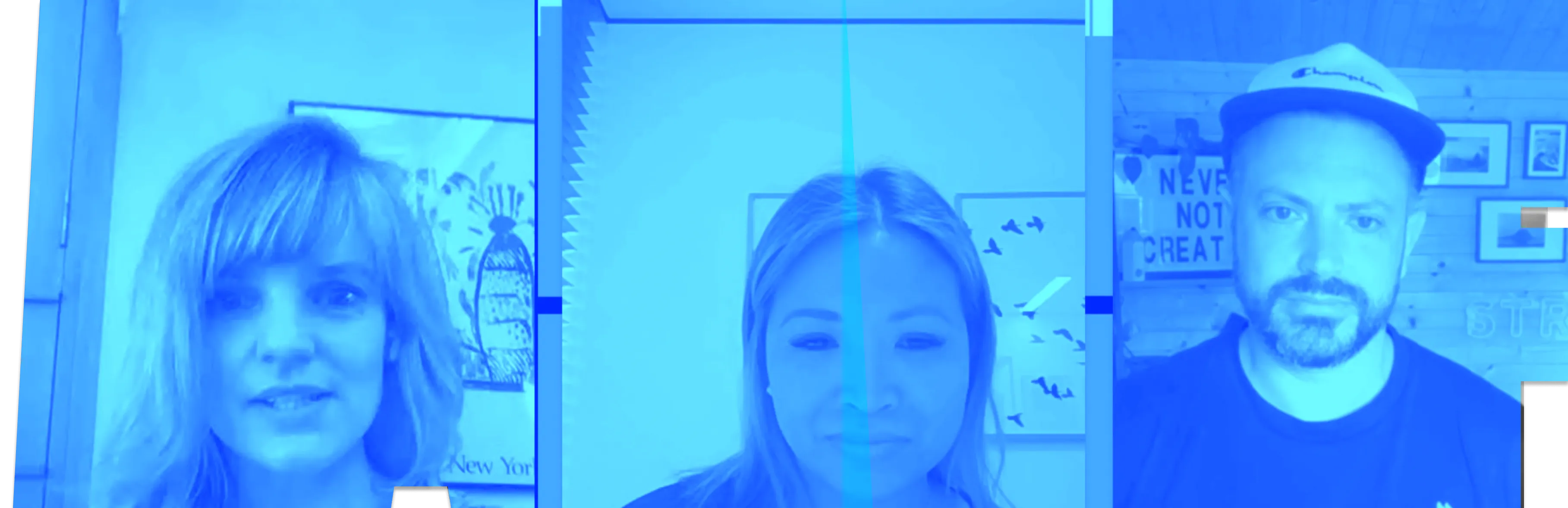
Feeling torn between creative direction and a complete career pivot? You're not alone. In this honest conversation, Olivia Gatt (Creative Director at Scooter) and Andy Wright (founder of Never Not Creative) tackle the big question: is creative direction genuinely fulfilling or just another route to burnout? Olivia shares her refreshingly honest take on finding joy in everyday briefs, choosing the right workplace environment, and why treating even the most basic projects with love can transform your relationship with work. Plus, mental health expert Martine Beaumont weighs in on making career decisions you won't regret. Perfect for anyone questioning whether the creative director path is right for them.
When Creative Direction Feels More Draining Than Fulfilling
The creative director role can feel like a double-edged sword. One day you're buzzing with excitement over a brilliant campaign, the next you're questioning whether the stress and pressure are worth it. If you've been wondering whether creative direction is truly fulfilling or just another path to burnout, you're not alone.
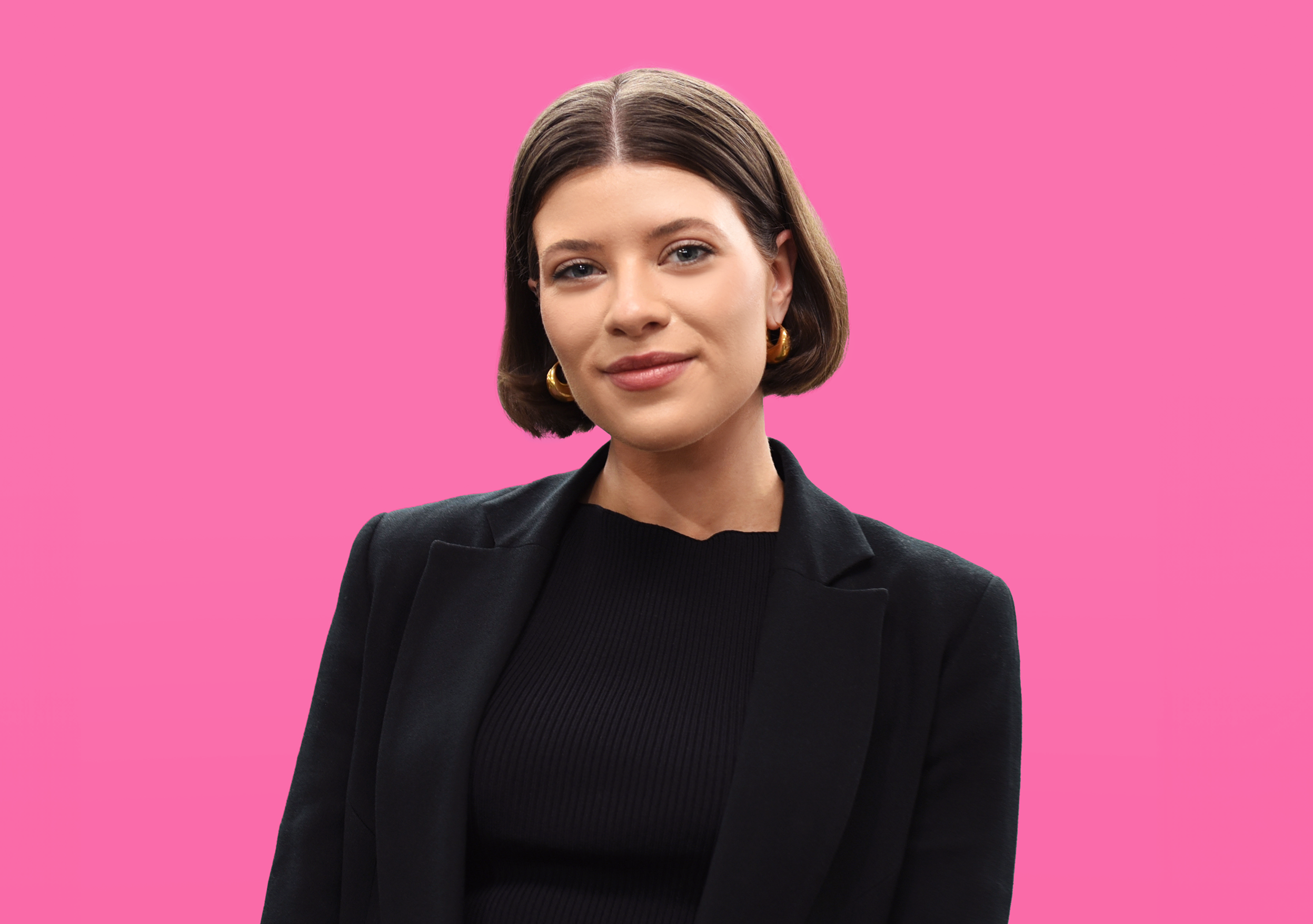
This question was answered by Olivia Gatt, Creative Director at Scooter, an award-winning creative leader specialising in creative direction, art direction, and design. She's delivered solutions for major clients including Amazon, NAB, BMW, and Myer, and actively supports young creatives through mentoring and industry networks. The conversation was hosted by Andy Wright, founder of Never Not Creative.
Finding fulfilment in the everyday moments
Olivia finds her role genuinely fulfilling, though she's honest about having days where she feels like she's "going through the motions". The key insight? Even when working on socially good projects like behaviour change or climate action, "sometimes the day is just within the day."
Her secret lies in treating every brief with love and respect, regardless of size or glamour. "Any brief that comes my way, I really want to sort of treat it with love and respect," Olivia explains. "Even those more colour by numbers briefs deserve just the same amount of love as the award-winning stuff too."
This approach creates an emotional connection to the work that drives continued fulfilment. As a bonus, clients really appreciate when you're passionate about their "basic briefs" too.
The environment matters more than the role
Stress and dissatisfaction might stem from your workplace environment rather than the creative director role itself. Olivia emphasises choosing "workplaces and colleagues that appreciate creativity" as crucial for creating a fulfilling environment.
The industry is undeniably stressful right now. "It's a very stressy and messy time in our industry at the moment," Olivia acknowledges. "The landscape is shifting and changing every day. Mergers are happening. AI is evolving and shifting the way that we work."
Her advice for managing this stress? "Take it day by day. Believe in the power of your own creativity."
Values and creative stimulation work together
When asked what drives fulfilment most, Olivia believes it's "a little bit of both" values alignment and creative opportunity. Finding environments where you're aligned with how the business operates and working with teams that inspire you "makes every like that's what makes work exciting."
She also notes that naturally creative people can find passion in other fields, including something completely different like physiotherapy.
The decision-making process matters
Mental health expert Martine Beaumont adds valuable perspective on the decision-making process itself. Often it's not the decision you make but the process you go through that prevents you from "waking up in five years time kicking yourself going why the hell did I do that."
She warns against making big career decisions from a place of emotional reactivity or during major life crises, when you might later regret hasty choices.
The reality behind the conversations
Andy Wright points out an important industry dynamic: there's an expectation to appear busy and stressed, and people are more likely to share negative stories than positive ones. "You're kind of wary of like oh I don't want to make it feel like I've got the best job in the world and you haven't."
This means the stressed creative directors you've spoken with might not represent the full picture of the role.
Remember, if you're naturally creative, that spark will find ways to express itself regardless of your career path. Whether you stay in creative direction or pivot to physiotherapy, the key is making thoughtful decisions that align with both your values and your need for creative stimulation. Your wellbeing should always come first.
our guests
Industry Leader
Olivia Gatt
Scooter
Mental Health Expert

Martine Beaumont
Select Wellness
Host