ASKING FOR A FRIEND
Is AI going to make my career irrelevant?
ASKING FOR A FRIEND - QUESTION
Feeling anxious about AI taking over your creative career? You're definitely not alone. Tarra van Amerongen, Head of Design at Atlassian and UTS innovation design teacher, joins counsellor Caitlin Thamm from Dance Care Australia to tackle this massive question with warmth, wisdom, and zero tech-bro nonsense. From treating AI like "a really good intern" to learning when to adjust your sails rather than fight the wind, this conversation offers the reassurance and practical perspective you need. Plus, discover how Never Not Creative's "Never Not Human" survey is capturing the real human impact of our AI moment – because your experience matters more than the hype.
You Can't Stop the Wind, But You Can Adjust Your Sails
If you're lying awake wondering whether AI is about to make your creative career obsolete, you're not alone. It's one of the biggest questions facing our industry right now, and honestly, it's completely normal to feel a bit wobbly about it all.
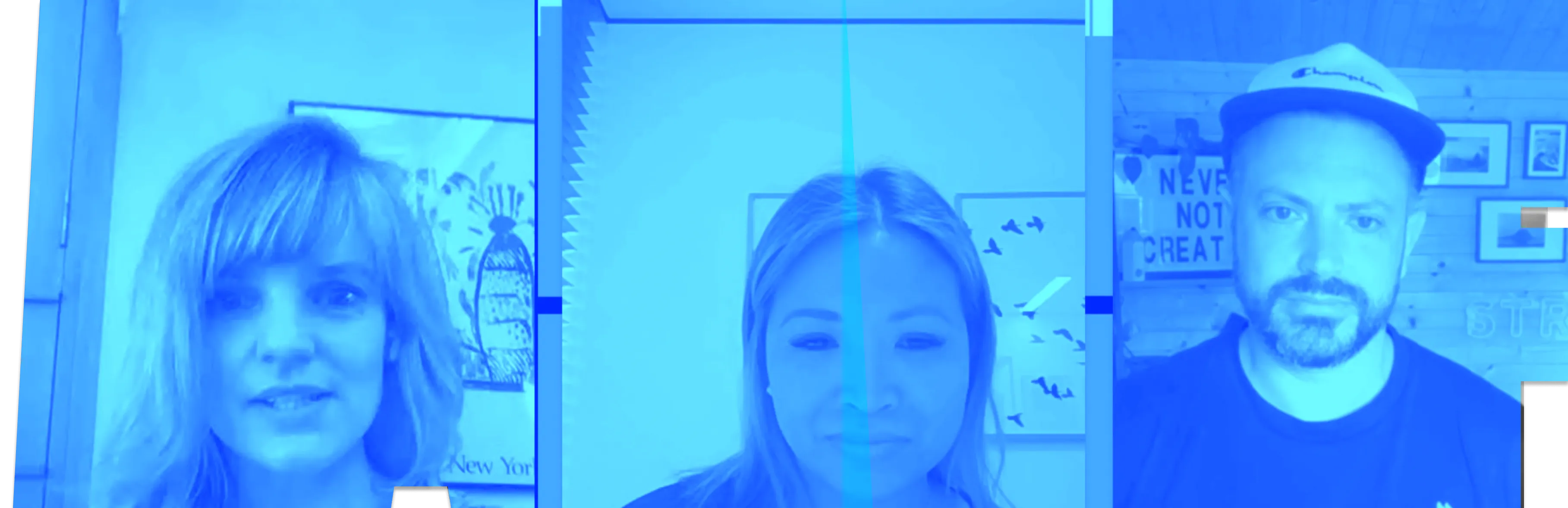
This question was answered by Tarra van Amerongen – Head of Design, Jira Platform at Atlassian and UTS innovation design teacher – and Caitlin Thamm – counsellor and founder of Dance Care Australia. Host Andy Wright from Never Not Creative facilitated the conversation, bringing his usual mix of wisdom and reassurance to help us navigate these choppy waters.
AI Won't Impact Everything Equally
The reality is that AI will affect different parts of your job in different ways. As Tarra explains, "AI will impact different areas and different roles and parts of our job disproportionately." Some tasks like creating docs, translation services, or aggregating information will see AI playing a stronger role. But here's the thing: this isn't necessarily bad news.
Think of it this way – if AI can handle the tedious stuff, that frees you up for the work that really matters. Tarra puts it perfectly: "Even if there's like 1x efficiency that AI brings, there's probably 10 times value creation that you need to find the space in that."
It's Just a Really Good Intern
One of the most grounding perspectives comes from analyst Benedict Evans, who describes AI as "just a really good intern." This takes some of the fear out of it, doesn't it? Yes, it can do certain tasks well, but it's still producing what Tarra calls "slop" that needs human oversight and cleanup.
When Tarra's entire company took a week to learn about AI hands-on, her reaction was refreshingly honest: "Is that it? It just wasn't living up to the hype." While AI can do cool things, it's got "a long way to go before you can get people excited about ideas" and handle the complex, uncertain work that makes up so much of creative roles.
History Shows Us the Way Forward
Every time new technology emerges, humans adapt and redefine what it means to be human in that context. Tarra uses brilliant examples: "Someone who we used to in ancient times just rewrite the Bible by hand – the printing press comes along and they go 'oh technology has taken my job.' Well, you're already in that field, how could you use this new technology and extend your career?"
The same happened with the internet. The Yellow Pages didn't just give up – they created online directories because they understood their space and worked with the new technology.
Lean In with Curiosity, Not Fear
The key difference will be between people who are AI-savvy and those who aren't. But this doesn't mean you need to become a tech wizard overnight. As Tarra suggests, approach it with curiosity rather than fear: "You can't stop the wind, but you can adjust your sails."
Caitlin adds that AI can actually help with those overwhelming tasks you've been putting off: "Tasks that I put off for quite a while because they're so big and overwhelming – AI gives me a start and I go, 'Oh, I can actually tackle this now because it's broken it down for me.'"
The Choice is Yours
The difference between thriving and just surviving comes down to how you choose to engage. Tarra shares a telling contrast: one agency leader telling their team "I don't know if we'll be here in six months," while another created a new AI-focused business that's set to turn over $10 million. "You can lean in or you can kind of step back and just float and see."
Never Not Human: Your Voice Matters
Speaking of navigating this AI landscape, Never Not Creative is running the "Never Not Human" survey to understand how AI is really affecting creative professionals. This isn't just another survey asking if robots will steal your job – it's about the full picture, including how your mental health is faring through all this constant "innovation."
Whether you're surfing the AI wave or white-knuckling through the changes, your experience matters. The survey explores everything from genuine excitement about new opportunities to the parts that make you want to hide under your desk. Take the survey and help shape a more human understanding of our AI future.
You're Not Alone in This
Remember, even startup founders in San Francisco – the supposed epicentre of all things AI – are feeling like they're not doing enough or moving fast enough. As Tarra reassures us: "It's not just you. Everyone feels like there's this thing happening around me."
The future belongs to those who adopt new technologies thoughtfully, not fearfully. You don't need to have all the answers right now. Just chip away at it, lean into your natural creative curiosity, and remember – you're human first, and that's exactly what the world needs.
our guests
Industry Leader

Tarra van Amerongen
Mental Health Expert
Caitlin Thamm
Host